

A Live Broadcast Turns Into a Real-Time Emergency
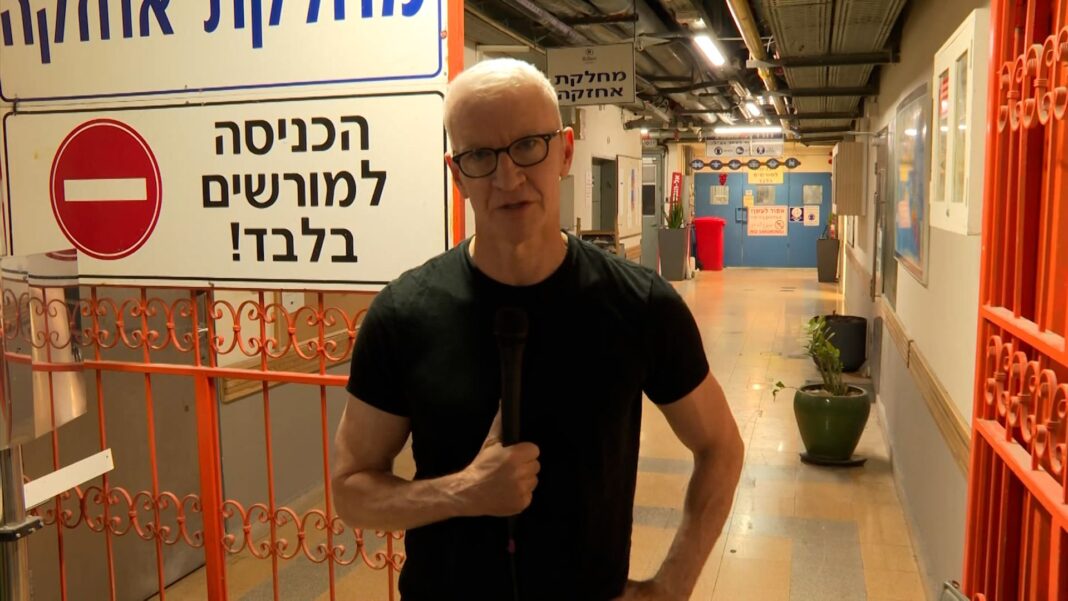
CNN’s Anderson Cooper was in the middle of a live segment from Tel Aviv when the unthinkable happened—missile sirens pierced the air, signaling an imminent threat. It was early Monday, June 23, and what began as a routine warzone update rapidly escalated into a tense on-camera scramble for safety. The broadcast, shared widely across social media, showed Cooper and his colleagues shifting from reporting the news to becoming part of it.
While discussing the volatile conflict between Israel and Iran with international correspondent Clarissa Ward and Jerusalem-based Jeremy Diamond, an alert suddenly rang out. “We’re now hearing an alert,” Ward calmly announced, a moment that instantly shifted the tone of the segment. Cooper, visibly focused but composed, explained the warning was tied to a 10-minute missile window—Israel’s protocol when under threat from incoming fire, most likely from Iran.
“There’s a verbal alarm now,” Cooper continued. “We’ve got about ten minutes to make it to a bomb shelter.” Even as the team prepared to evacuate, Cooper emphasized their commitment to staying on air, if possible, while descending to safety. “We’ll continue to try to broadcast from that bomb shelter,” he said, still clutching his microphone. The control room confirmed they were checking sound levels as the crew moved swiftly into emergency mode.
On the Move: The Broadcast Continues Underground
What unfolded next felt more like a scene from a thriller than a news report. With the clock ticking, the CNN team carefully made their way to shelter beneath Tel Aviv. Cameras kept rolling as they moved, offering viewers a raw and immediate look into what it means to report live from an active conflict zone. It wasn’t just storytelling—it was survival, streamed in real-time.
The tension was palpable, but the team’s professionalism remained intact. Cooper noted this was the first missile alert of the day, underscoring how suddenly things can shift in a region on edge. Even as the sirens sounded and the threat loomed, Jeremy Diamond resumed discussing the impact of recent airstrikes, pointing out that despite ongoing attacks, there had been no reported fatalities in nearly a week—a rare and fragile statistic in the region.
The video feed eventually cut out, transitioning to senior White House correspondent Kristen Holmes. For viewers, it was a jarring but necessary shift—confirmation that the danger was real, and that even seasoned journalists aren’t immune to the very events they cover. It wasn’t just about delivering the news anymore; it was about making it out safely to report another day.
Conflict Escalates After U.S. Strike on Iran
The backdrop to the evacuation was a dramatic escalation in Middle East tensions. Just hours earlier, the Trump administration had launched a military strike targeting three nuclear sites in Iran. That aggressive move followed days of rocket exchanges between Israel and Iran, with both nations unleashing waves of missiles and drones in a dangerously widening conflict.
The U.S. strike marked a sharp turning point, intensifying fears that the region could spiral into broader warfare. Tel Aviv, long accustomed to the distant sound of sirens, found itself once again in the crosshairs of international power plays. For reporters like Cooper and his team, that meant covering a story that was no longer just unfolding in front of them—but all around them.
What viewers witnessed wasn’t just breaking news—it was a chilling reminder of the risks journalists take to keep the world informed. As Cooper and his crew sought shelter beneath a city under threat, their live evacuation became one of the most gripping moments in recent broadcast history. It was not just a story of war—it was a story of presence, courage, and the fragile space between the camera lens and real life.