
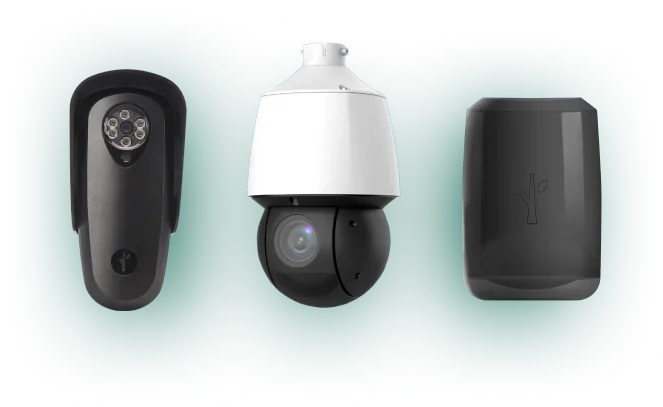

Flock Safety, a company known for its automated license plate reader (ALPR) technology used by thousands of law enforcement agencies across the United States, has disabled its national lookup tool for Illinois, California, and Virginia. The decision follows public scrutiny over how Flock’s data has been accessed and used, including incidents involving immigration enforcement and abortion-related searches. The company confirmed to 404 Media that these restrictions are now in place.
Data Sharing Under Review After Public Reporting
The shift comes after an investigation by 404 Media revealed that local police departments were conducting nationwide Flock searches on behalf of federal agencies such as Immigration and Customs Enforcement (ICE), and in one case, to locate a woman who had self-administered an abortion. These types of cross-state lookups raised legal concerns, particularly in states where sharing ALPR data across state lines is prohibited or where laws limit its use for immigration and healthcare purposes.
Flock CEO Garrett Langley addressed the controversy in a blog post on June 19, stating that the company had disabled national lookup capabilities in states like California to simplify legal compliance. “Some states, like California, do not allow any sharing across state borders,” Langley wrote. The post, titled “Setting the Record Straight,” acknowledged the reporting but focused on how Flock is adapting its practices, including initiating internal audits and making system-level changes.
Shortly before that announcement, Flock had already taken action in Illinois. The company stated in an earlier post that 47 agencies had been removed from accessing Illinois data following a review. This audit began in May and examined whether out-of-state agencies were misusing access or violating state-level restrictions. Flock says it is now re-educating those agencies on Illinois-specific laws and updating its product interface to guide users toward compliant usage.
Technical Changes and Legislative Influence
Flock has implemented technical changes to reduce the risk of improper data access. The company announced a new tool that automatically blocks searches containing terms associated with impermissible uses under Illinois law. For example, if a search includes keywords related to immigration enforcement or abortion, Illinois-based data will be excluded from the results. Flock also shared plans to introduce an artificial intelligence system that flags suspicious search behavior and prompts users to provide a case number when accessing the network.
In Virginia, a new law signed by Governor Glenn Youngkin in May further limits how ALPR data can be used. The legislation, which takes effect on July 1, restricts usage to investigations related to specific crimes such as human trafficking, missing persons, and stolen vehicles. Following the law’s passage, Flock confirmed that access to Virginia data via the national lookup tool has also been revoked. These measures align with growing calls for tighter controls on surveillance technologies at the local and state levels.
According to internal communications reviewed by 404 Media, Flock has begun placing greater emphasis on responsible data sharing through updated training, user guidance, and policy enforcement. The changes reflect a broader effort to mitigate legal exposure while responding to increased public scrutiny. The company has not disclosed whether additional states will see similar restrictions.
Broader Impact and Public Response
The impact of Flock’s data-sharing practices has extended beyond internal audits. Several local governments are reevaluating their relationships with the company. The City of Austin, Texas, allowed its contract with Flock to expire, citing concerns about ICE access. In San Marcos, the city opted not to install more cameras, and the local police department now requires a formal request tied to a specific crime before sharing Flock data with outside agencies, according to Spectrum News 1.
Other media outlets have continued to explore the implications of Flock’s national network. Reports based on 404 Media’s published data revealed that the Florida Highway Patrol used Flock cameras to support immigration operations, while the Evanston Police Department in Illinois shared data with agencies performing immigration-related searches. In New York, officials in Syracuse initiated a review of their department’s sharing practices after local journalists investigated similar findings.
Illinois Secretary of State Alexi Giannoulias responded directly to the concerns in a statement to 404 Media, emphasizing the importance of accountability. “License plate readers can serve as an important tool for law enforcement, but these cameras must be regulated so they aren’t abused for surveillance, tracking the data of innocent people or criminalizing lawful behavior,” Giannoulias said. “No one seeking legal healthcare services in Illinois should face harassment or jail.”
Flock has not issued further public statements regarding its restrictions on data sharing in California.