
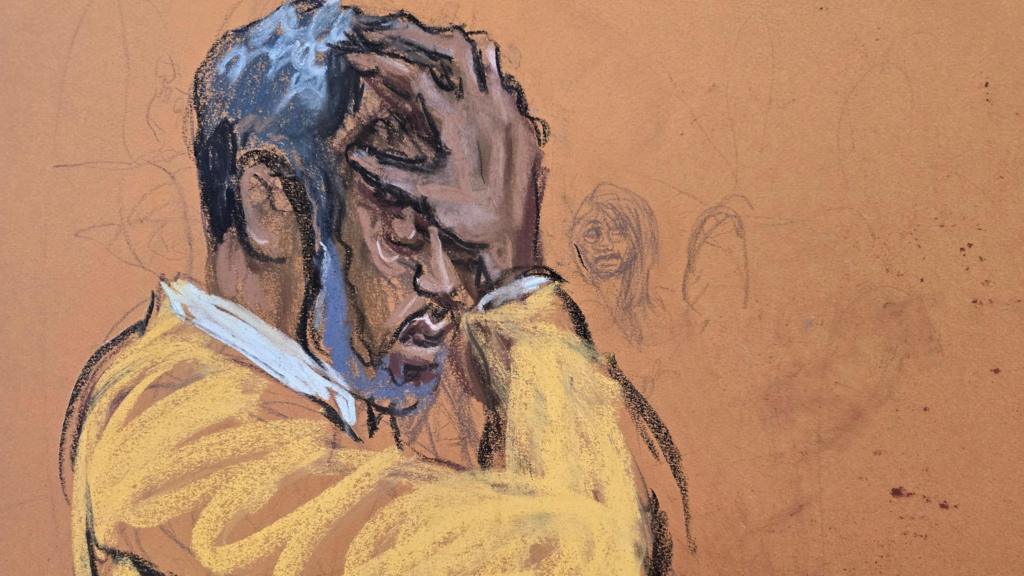

Sean “Diddy” Combs finally knows when he’ll walk free. The hip-hop mogul, 55, now has a confirmed release date of May 8, 2028, after being sentenced in October on federal charges. The ruling marks a major chapter in a turbulent case that has followed him for over a year, culminating in both acquittals and convictions that reshaped his future.
The Verdict and the Countdown to Freedom
Combs’ sentencing took place on October 3, when he was handed a 50-month prison term. That figure includes 12 months already served since his September 2024 arrest in New York City. According to the Federal Bureau of Prisons, he will remain behind bars for just under three more years. His conviction came on two prostitution-related charges under the federal Mann Act, which prohibits transporting individuals across state lines for such purposes. Although the charges carried weight, they fell far short of the potential life sentence prosecutors once sought. The final decision reflected both the seriousness of the crimes and the acquittal on more severe counts.
Judge Arun Subramanian presided over the case and made clear his stance on deterrence. Prosecutors had pushed for a staggering 135 months, while Combs’ defense aimed for just 14 months. In his remarks, Subramanian stated, “A substantial sentence must be given to serve as an example to abusers and victims alike.” His words set the tone for a sentence that sought balance, severe enough to warn others yet not the harshest possible outcome.
Defense attorney Teny Geragos countered that the sentence ignored the jury’s clear message. She emphasized that Combs had been acquitted of both sex trafficking and racketeering charges, which formed the case’s original core. “The jury made it very clear in their verdict,” Geragos said. “Not guilty means not guilty.” Her argument highlighted the tension between the courtroom’s outcome and the court’s final judgment, suggesting a clash of interpretation rather than evidence.
Inside the Mann Act Conviction
The heart of the conviction lies in violations of the Mann Act, a federal statute dating back to 1910. The law targets those who transport individuals across state lines for prostitution. Combs was found guilty on two counts, each linked to alleged incidents that prosecutors said reflected a pattern of misconduct. During trial, prosecutors referenced drug-fueled gatherings and alleged recordings of sexual encounters involving male escorts and women, including singer Cassie Ventura. Those details, reported by Vibe, painted a vivid picture of a lifestyle under scrutiny.
While such allegations stirred public interest, they were not the basis for his final conviction. The jury had already dismissed the sex trafficking and RICO elements that once loomed over the case. That decision saved Combs from a potential life sentence, a fact even his critics acknowledged as pivotal. Still, the remaining charges, though narrower, were serious enough to secure a multi-year term.
Attorney Alexandra Shapiro, leading the appeal, took issue with how the sentence was decided. “The Judge acted as a 13th juror,” she said, arguing that Subramanian weighed rejected evidence. Her claim reflects an ongoing legal strategy to challenge both the sentence and the reasoning behind it. For Combs, the appeal represents his last major legal pathway toward a shorter prison stay.
A Complicated Road Ahead
Even from behind bars, Combs’ team remains active. His representatives are reportedly pursuing a presidential pardon from Donald Trump, though the odds appear uncertain. A White House spokesperson dismissed claims of an imminent pardon, stressing that “The President, not anonymous sources, is the final decider on pardons and commutations.” That statement drew a line between speculation and official channels, signaling that clemency remains far from guaranteed.
Trump himself has publicly acknowledged that his relationship with Combs has “become strained.” Once friendly, the two now appear distant, complicating any possibility of political favor. For a man who built an empire on connections and influence, that fracture could prove critical. The fallout reflects how quickly alliances in entertainment and politics can unravel when legal trouble takes center stage.
Adding to his challenges, Combs’ request to serve his term in a minimum-security New Jersey facility, close to his family, was denied. Instead, he will remain in a standard federal prison, further isolating him from loved ones. For a figure used to control and access, the rejection symbolizes his new reality. As the clock ticks toward 2028, one thing remains certain: Sean “Diddy” Combs’ fight for redemption is far from over.