

Where a $4 million median feels almost… reasonable
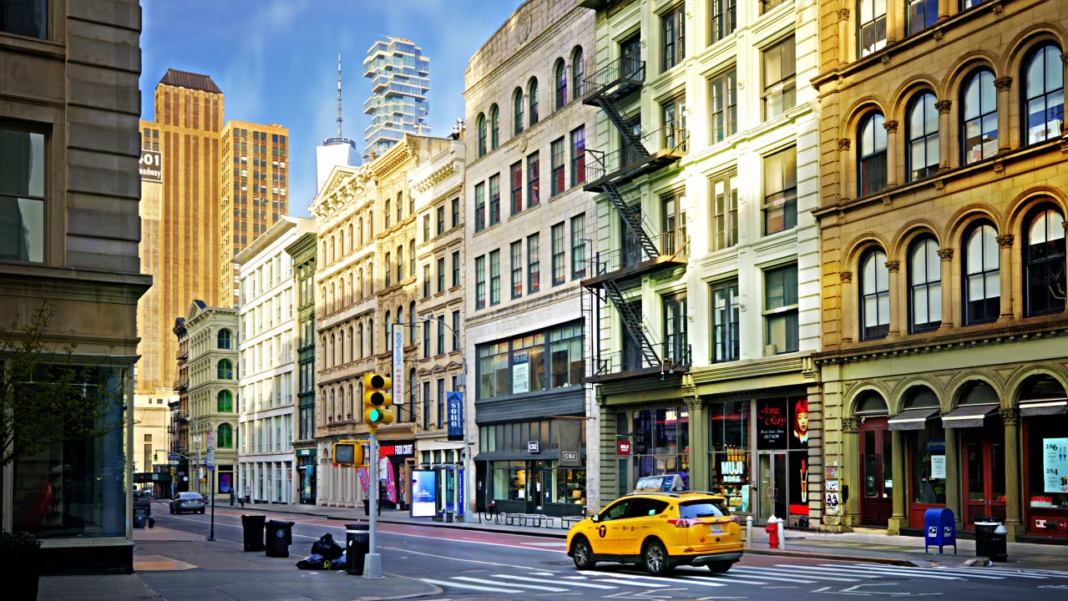
Step into downtown Manhattan right now and the numbers hit you before the architecture does. According to a recent StreetEasy report, SoHo has quietly claimed the crown as New York City’s most expensive neighborhood to buy a home, with a median asking price hovering just under $4 million. That figure reportedly represents a 5% dip from last year, but in a city where “discount” still means seven figures, who’s really complaining? The surprise isn’t the price tag, it is how normalized it has become among buyers casually discussing ceiling heights, original columns, and keyed elevator access.
Walk through SoHo’s cobblestone streets and you will find classic cast-iron buildings hiding vast lofts that often stretch 2,000 to 3,000 square feet. These homes are layered with details buyers now treat as baseline expectations, oversized steel-framed windows, in-unit laundry rooms, and custom millwork kitchens that look straight out of a design magazine. Reportedly, many of these apartments were once raw artist studios, now reborn as meticulously staged luxury residences. Is it any wonder that a “starter” home here costs more than a waterfront mansion in most American cities?
Tribeca, sitting just $10,000 behind SoHo with a median asking price of $3.985 million, offers a slightly different flavor of excess. The neighborhood’s wide streets and discreet celebrity presence, think A-listers and finance titans slipping in and out unnoticed, add to its mystique. With median asking rents touching $7,900 a month, Tribeca has also earned the title of the city’s most expensive place to lease an apartment. Worth around the cost of a luxury car every year, these rentals come with doormen, private gyms, and concierge services that quietly rival five-star hotels.
Brooklyn’s brownstone billions and the quiet power of space
Cross the river into Brooklyn and the luxury conversation shifts from lofts to lovingly restored townhouses. Carroll Gardens and Cobble Hill took the third and fourth spots for priciest neighborhoods to buy, with median asking prices of $2.59 million and $2.5 million respectively. These numbers might look modest next to SoHo’s near-$4 million, but context is everything. We are talking about 19th-century brownstones with private gardens, multiple floors, and enough square footage to make Manhattan buyers raise an eyebrow.
Strolling through Carroll Gardens feels like entering a carefully curated lifestyle brochure. Tree-lined streets, wrought-iron railings, and homes measuring 3,000 square feet or more create an atmosphere that is both stately and intimate. According to brokers, buyers here are often upgrading from Manhattan apartments, seduced by the promise of space without sacrificing proximity. The luxury is not loud, but it is deeply felt, especially when a private parking space enters the conversation.
Cobble Hill follows a similar script but adds a touch of old-world charm. Its brick townhouses, many with original moldings and wood-burning fireplaces, are said to attract buyers who value character as much as convenience. While prices here have remained relatively stable year over year, the demand has not cooled. After all, how many neighborhoods offer both historic elegance and a short commute to downtown Manhattan’s financial core?
Amenities, inventory surges, and the subtle signals of wealth
While prices in most top neighborhoods dipped or held steady, the real story lies in what buyers and renters are searching for. In-unit laundry remains the most coveted feature, a detail that sounds mundane until you realize how rare it still is in older New York buildings. Elevators and full-time doormen continue to top buyers’ wish lists, signaling a desire for privacy and ease over flashy excess. Renters, meanwhile, are zeroing in on dishwashers and laundry in building, small luxuries that make daily life feel just a bit more elevated.
Brooklyn neighborhoods like Fort Greene and Greenpoint bucked the broader trend, seeing median asking prices jump 19% and 16% respectively. These spikes reportedly reflect a surge in demand paired with limited inventory, the classic recipe for rapid appreciation. At the same time, areas like Bushwick and Williamsburg experienced a flood of new development, pushing available housing stock up by as much as 30%. It is a fascinating contrast, historic scarcity versus modern abundance, both commanding attention from different types of luxury buyers.
Perhaps the most telling shift is the renewed importance of parking, with buyer searches up 85% year over year. In a city famous for subways and taxis, owning a car, and a guaranteed place to put it, has become a subtle status symbol. Renters, on the other hand, are prioritizing guarantor-friendly apartments, with searches soaring 205%, a quiet nod to the ongoing affordability crunch. Even at the top of the market, practicality is shaping luxury, proving that in New York City, extravagance and realism are forever intertwined.