


A Summer Afternoon Turns Into a High-Stakes Search
On a bright August weekend in Austin, Colin Brady, a 29-year-old tech entrepreneur, set out for a casual afternoon of wakesurfing on Lake Austin. Known for its lively recreational scene just west of downtown, the lake stretches nearly 1,600 acres, an expanse where boats carve waves, music carries across the water, and summer afternoons linger into night. But amid the sun and spray, Brady’s day took a dramatic turn. Somewhere in the rush of motion and water, his Patek Philippe Aquanaut, a watch valued at $60,000, slipped from his wrist and vanished into the lake.
Lake Austin is not forgiving when it comes to lost treasures. With a maximum depth of 75 feet and a soft, silty lakebed, anything that falls into its depths often disappears for good. Brady estimated that his watch had fallen in water around 22 feet deep, a zone where visibility drops quickly and the odds of recovery shrink with every passing minute. For most, the loss might have been accepted as an expensive mistake. But for Brady, both the watch and the principle were worth fighting for.

He initially tried with a single diver to comb the lakebed, marking the suspected drop site with a flag. Hours passed without success, and the diver surfaced empty-handed. Rather than concede defeat, Brady doubled down on his efforts, assembling a larger team of professionals to conduct a more systematic search. What began as a personal loss was quickly becoming one of the lake’s most unusual horological rescue missions.
The Watch That Refused to Quit
The watch at the center of this drama was the Patek Philippe Aquanaut, a model introduced in 1997 as the maison’s contemporary sport watch. Known for its rounded octagonal bezel and signature “tropical” rubber strap, the Aquanaut was conceived as a younger sibling to the Nautilus, combining haute horlogerie with rugged, water-ready design. Its reputation as both a refined timepiece and an everyday companion has helped it become a cult favorite among collectors.
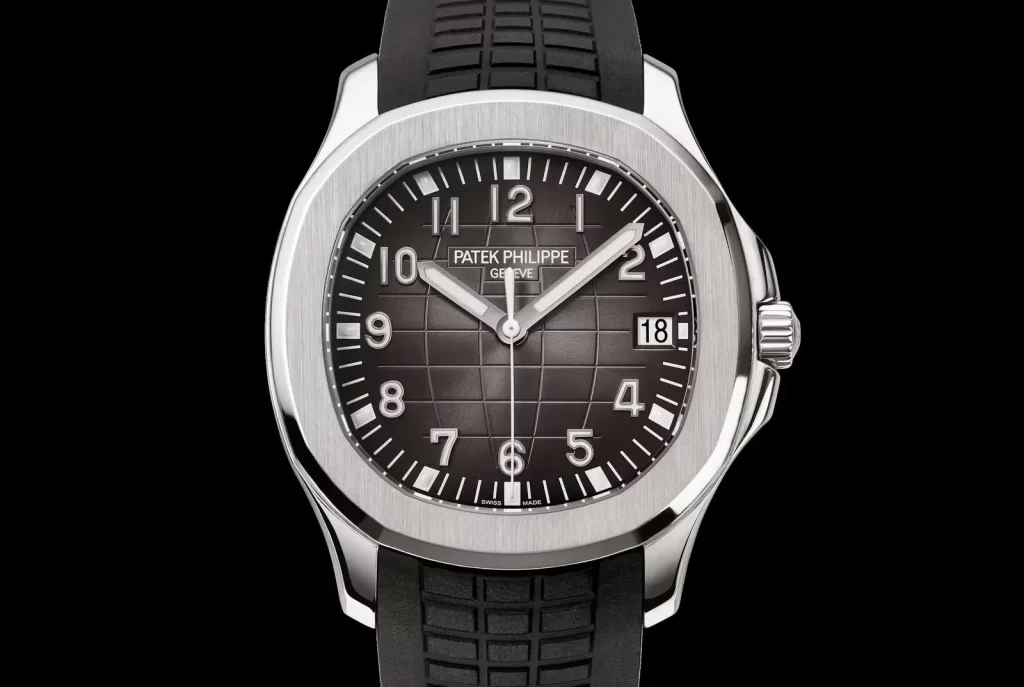
Earlier iterations of the Aquanaut were rated to 120 meters of water resistance, making them legitimate dive companions. Today’s production models, by contrast, are rated at 30 meters, technically suitable only for splashes and surface swimming. Yet many owners wear them confidently in pools, oceans, and on decks of wake boats. This tension between luxury positioning and real-world use has long been part of the Aquanaut’s identity, and Brady’s misadventure became a dramatic case study of that very paradox.
After two days of methodical grid searching with a team of four divers, persistence finally paid off. About 20 feet from the original marker, one diver surfaced with the missing Aquanaut in hand. To Brady’s astonishment, the watch was still running, its second hand sweeping smoothly as though it had never left his wrist. For enthusiasts, the moment became an instant anecdote in Patek lore, a real-world stress test that no marketing campaign could have staged better.
The Hidden Economy of Lakebed Recovery
Behind the spectacle of recovery lies a small but specialized industry that thrives on such mishaps. In the Austin area, professional divers are accustomed to being summoned when luxury items vanish beneath the waves. Rates typically range from $100 to $150 per hour per diver, with additional charges for travel, fuel, and boat charters. A modest setup with two divers and a boat can run $1,300 to $1,600 for a few hours, while larger teams with commercial equipment can drive costs into the thousands.
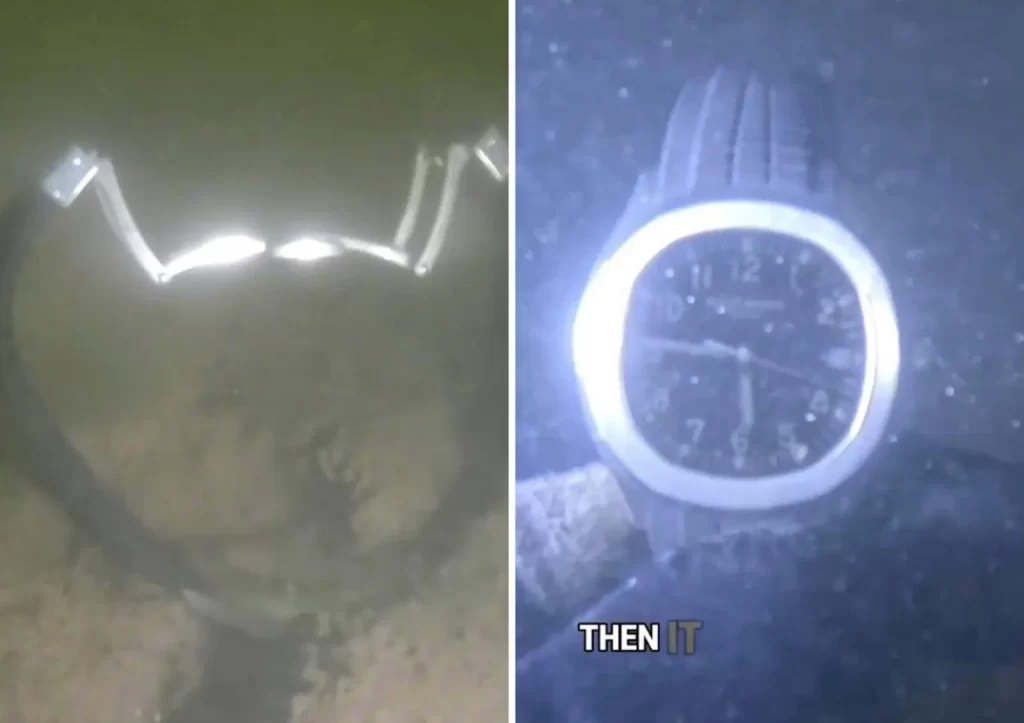
Brady’s recovery effort straddled these ranges. His first attempt was relatively modest, involving just one diver and a marked site. When that effort failed, he escalated to a larger crew of four divers who spent an entire day combing the lakebed in a grid pattern. Factoring in boat time, equipment, and manpower, the mission likely cost several thousand dollars. For Brady, the calculus was straightforward: the expense of a search was worth it if it meant reclaiming a rare, cherished piece of watchmaking history.
The recovery also underscores the extent to which luxury culture intersects with local economies. For divers, these calls are a livelihood, part rescue mission and part high-stakes treasure hunt. For watch brands like Patek Philippe, such stories become an unexpected testament to endurance, creating narratives that outlast the watches themselves. In a city where tech money fuels extravagant toys and outsized ambitions, Brady’s lakeside drama offered a vivid reminder of the lengths people will go to preserve symbols of craftsmanship, status, and personal pride.