


The Three Minds Zuckerberg Couldn’t Ignore
In a bold stroke that speaks to the escalating arms race in artificial intelligence, Meta has secured three of the world’s most sought-after AI researchers: Lucas Beyer, Alexander Kolesnikov, and Xiaohua Zhai. The trio, previously at OpenAI’s Zurich office, have now been pulled into Meta’s ambitious superintelligence project—an initiative that seems less like a research department and more like a moonshot. Their exit leaves OpenAI’s Beethovenstrasse hub nearly hollowed out, with only a few researchers reportedly remaining in the once-buzzing outpost.
What makes their recruitment so compelling is not merely the résumé lines—though impressive—but the manner in which it unfolded. Meta’s CEO, Mark Zuckerberg, reportedly bypassed conventional hiring channels, opting instead for direct outreach via WhatsApp and in-person conversations. These aren’t just boardroom-level negotiations; they are bespoke courtships at the very top of Silicon Valley’s intellectual economy. In a world where algorithms are commodities, people like Beyer, Kolesnikov, and Zhai are the rarest currency.
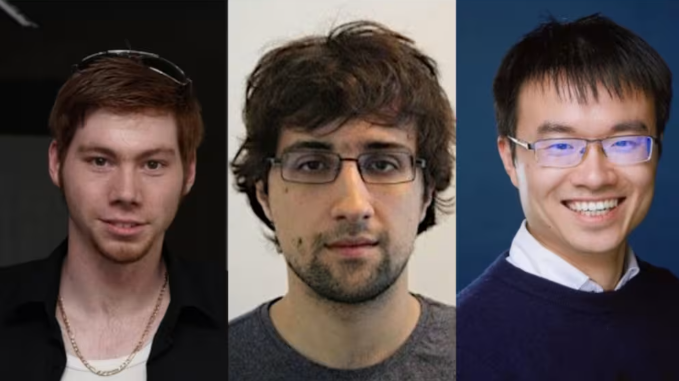
Lucas Beyer, Alexander Kolesnikov, and Xiaohua Zhai.
The researchers bring more than academic brilliance to the table. All three hail from DeepMind and played central roles in shaping OpenAI’s European strategy. Their decision to jump ship underscores a wider trend in AI: loyalty, once tied to institutional mission or peer networks, has been replaced by personal opportunity and colossal paydays. In this new landscape, affiliations are increasingly ephemeral, while influence—and compensation—is anything but.
Billion-Dollar Blueprints and the Price of Progress
While OpenAI CEO Sam Altman has downplayed the departures as non-critical, their symbolic weight is harder to dismiss. The Zurich unit was one of OpenAI’s few footprints outside the U.S., and its quick unraveling raises questions about how stable any AI alliance can truly be. More pressingly, the exodus highlights the pressure faced by companies trying to retain elite research talent in an environment where financial incentives have reached astronomical levels.
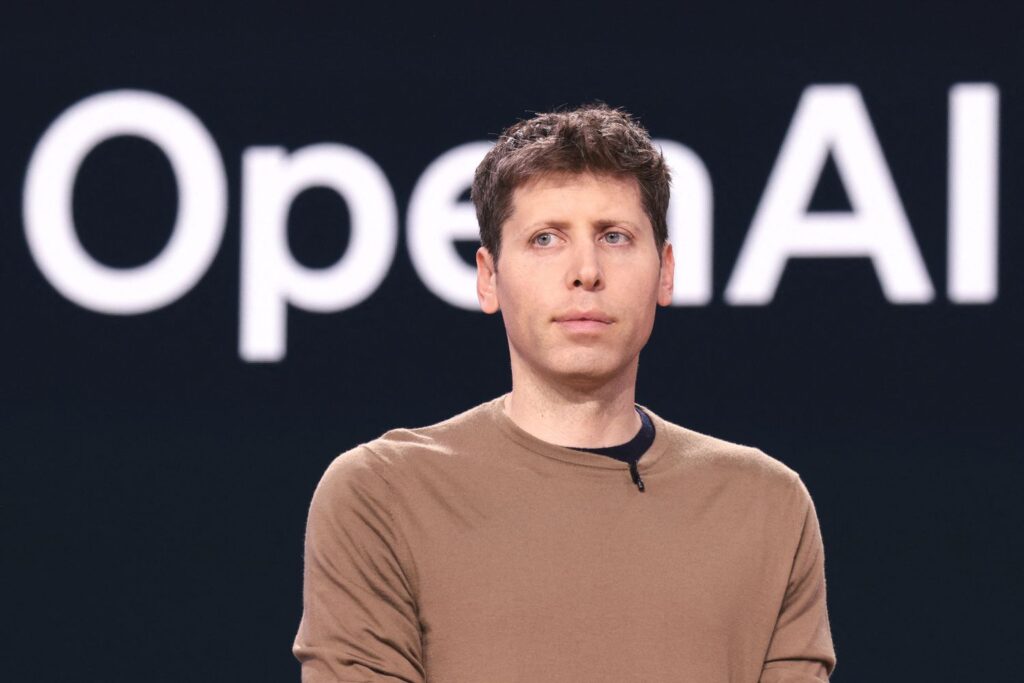
Sam Altman.
According to reporting by The Wall Street Journal, Meta offered the trio eye-watering packages rumored to include $100 million signing bonuses, matched by annual salaries and benefits in the same stratosphere. These are numbers that belong more in hedge fund prospectuses or global transfer markets than in the world of computer science. Yet they reflect a simple truth: in a field where a handful of individuals can alter the trajectory of entire industries, there is effectively no price ceiling.
Meta’s desperation is not without context. The company has invested over $65 billion into AI, yet recent product launches—including its LLaMA models—have not captured the public imagination in the way OpenAI’s ChatGPT or Anthropic’s Claude have. This latest move, then, is not just about intellectual horsepower—it is about signaling intent. With these hires, Meta isn’t only acquiring minds; it’s announcing that it intends to remain a first-tier competitor in a race that seems to reward speed over everything else.
Zurich, Loyalty, and the Disappearance of Neutral Ground
The Zurich setting adds an unexpected dimension to this high-stakes story. Traditionally viewed as a city of financial stability and Alpine calm, it has quietly emerged as one of Europe’s most potent hubs for artificial intelligence research. Its appeal is multifaceted: proximity to top universities, high quality of life, and a concentration of elite tech talent that rivals many larger capitals. The decision of Beyer, Kolesnikov, and Zhai to stay put in Zurich—while switching employers—illustrates how geography no longer defines institutional allegiance.
More importantly, their move sheds light on the new normal in AI talent mobility. Researchers now drift between companies like free agents, optimizing for mission alignment, intellectual freedom, or—most often—generational wealth. The result is a marketplace where the company matters less than the opportunity, and where a job offer is often less a negotiation than a declaration of strategic intent. As borders blur, so too do the lines between academic pursuit and commercial interest.
It remains to be seen whether Meta’s immense investment in people will yield the breakthroughs it desires. But what’s already evident is the transformation of AI from a frontier of cooperative inquiry into a high-stakes geopolitical and economic race. With billions at stake and few rules of engagement, talent has become the battleground, and researchers the prize. In this brave new world, even ideals seem subject to acquisition.