
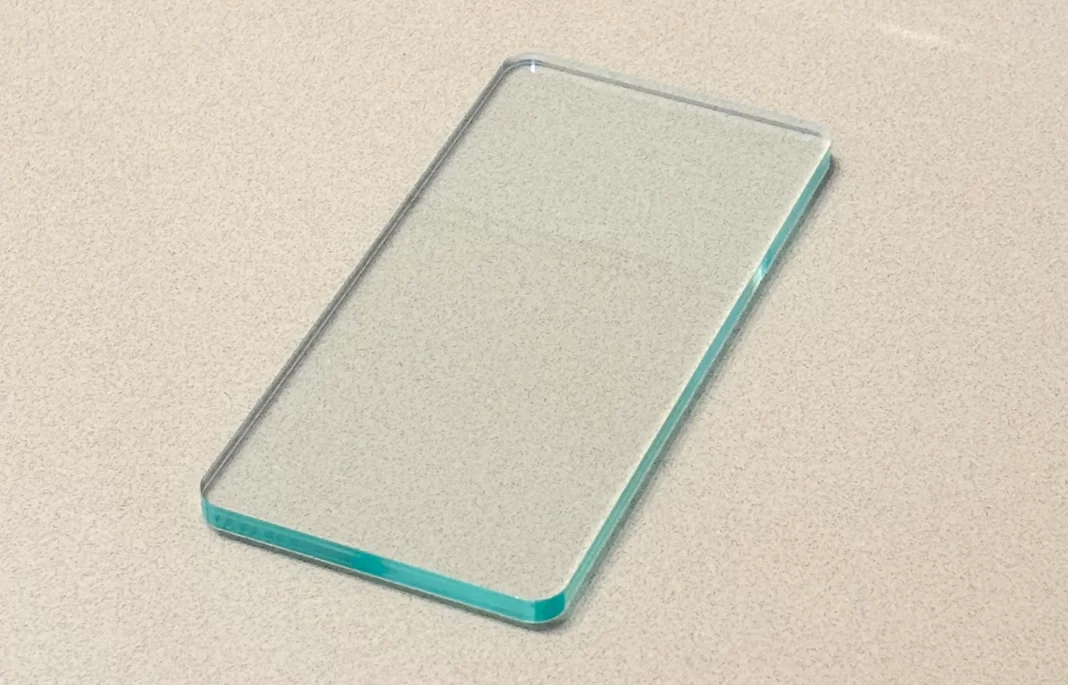

A new product called the Methaphone is attracting attention for its unusual approach to phone addiction: it looks like a smartphone, but it does nothing. Created by former Google and Facebook marketing executive Eric Antonow, the device is a transparent, acrylic rectangle meant to be held in place of a phone, offering a tactile substitute for screen-driven behavior.
A Joke That Turned Into a Product
The idea for the Methaphone came during a coffee shop visit when Antonow, feeling the reflexive urge to check his phone, joked to his family about needing a “methadone” equivalent for smartphone addiction. The name stuck. Within days, he used generative AI tools to design a clear, phone-shaped object with the familiar dimensions of an iPhone but with none of its functions.
Antonow, who runs a small online store of whimsical creations, quickly moved from sketch to prototype. He ordered samples of a 6-inch acrylic slab with rounded corners and green edges that resembled smartphone glass. The first batch was launched on Indiegogo with the tagline: “Leave your phone without the cravings or withdrawal.” His past creations include a “listening switch” and a meditation vinyl featuring recorded silence.
The Methaphone is part of a growing response to smartphone overuse. While tech companies have introduced digital wellbeing tools like screen time limits, many users find them easy to override. As a result, a market of physical alternatives has emerged, from lockable pouches to minimalist phones. The Methaphone sets itself apart by offering no function at all, acting as a symbolic alternative rather than a technological one.
Viral Popularity and Public Curiosity
Interest in the Methaphone grew quickly after Antonow sent samples to friends. One of them, TikTok creator Catherine Goetze, shared a video using the device while waiting in line at a boba shop. Her mock demonstration—scrolling through the clear slab as if it were a real phone—prompted confusion and amusement. Within five days, the video had over 53 million views.
Viewers speculated about the object’s origins, mistaking it for an unreleased prototype or a prop from a dystopian show. The unexpected virality led to a complete sellout of Antonow’s first run of 100 units, priced at $25 each. While he plans to restock, Antonow says he is more interested in broader applications, such as using the Methaphone in public spaces like restaurants to encourage phone-free interaction.
Stanford addiction researcher Anna Lembke, author of Dopamine Nation, views the Methaphone as a behavioral tool. She likens it to a zero-nicotine vape: a device that mimics the ritual of use without delivering the addictive reward. In her words, phones have become “pacifiers,” and a tactile placeholder like the Methaphone could help users interrupt ingrained habits by replicating the form without the function.
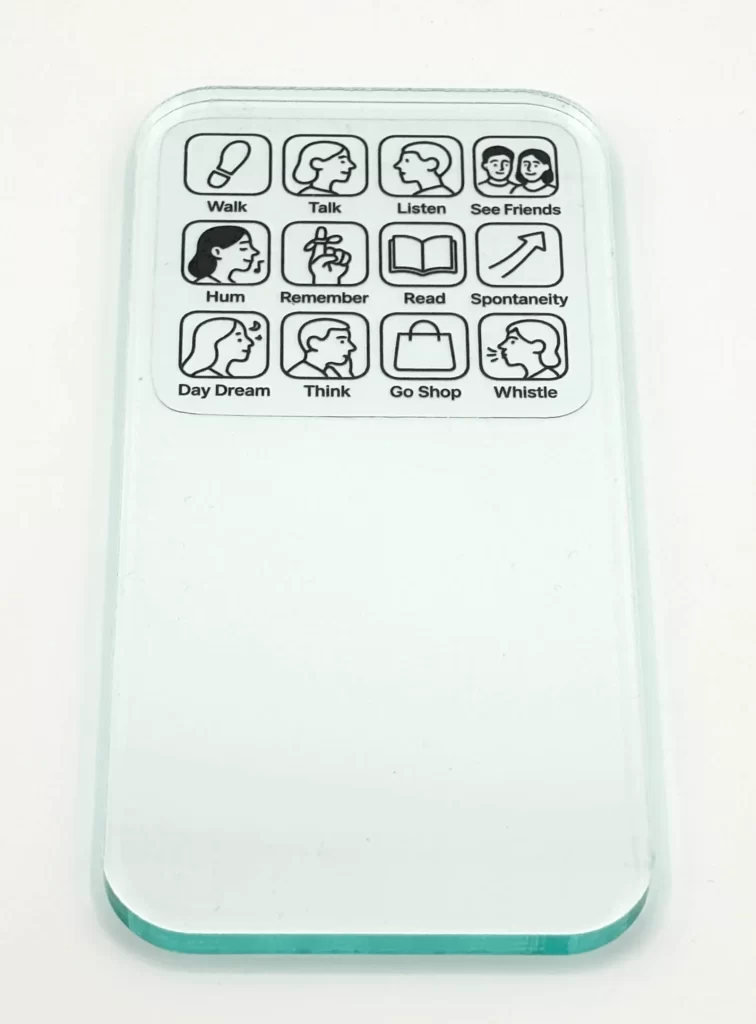
You can purchase stickers designed to resemble app icons. Credit to Eric Antonow.
Beyond Satire, Toward a Statement
Although the Methaphone began as a tongue-in-cheek concept, it taps into real concerns about digital dependency. Antonow isn’t the first to explore this space. The NoPhone, launched in 2014, offered a plastic brick “for people addicted to real phones.” It came in several versions, including one with a mirror in place of a screen. Both projects underscore a growing demand for symbolic resistance to constant connectivity.
Antonow has expanded his offering with optional sticker packs that mimic app icons with labels like Walk, Read, See Friends, and Daydream. These analog suggestions turn the device into a kind of motivational tool, reminding users of real-world alternatives. The Methaphone itself ships with illustrated use cases, such as idle scrolling, bedside fidgeting, and even poolside reflection—it is waterproof, after all.
For Antonow, the Methaphone represents more than a product. He sees it as part of a cultural counterweight to technology’s pull. Phones are portals, he says—not just to communication, but to entirely different dimensions of distraction. A countermeasure must be equally evocative. In a world saturated with screens, the empty frame of the Methaphone offers a moment to pause, reflect, and look through rather than into.