
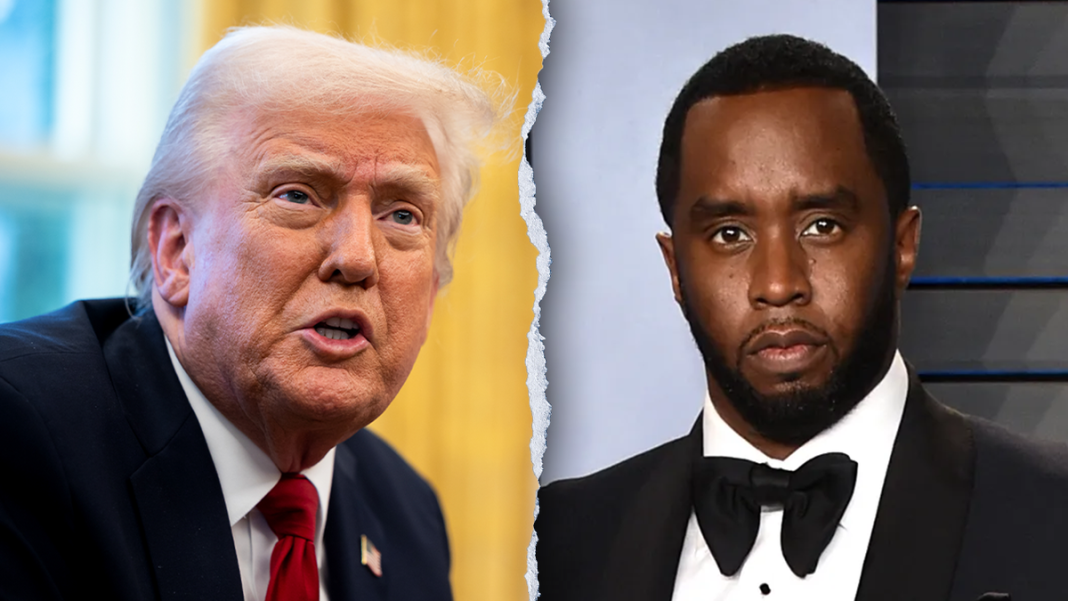

Sean “Diddy” Combs’ attorney believes a presidential pardon from Donald Trump could change everything. In a tense podcast appearance, Mark Geragos told TMZ’s “2 Angry Men” that the two men now share an “affinity.” Both have been through the legal system in ways that Geragos says could connect them. He said it would not shock him to hear Combs admit he had been wrong about Trump. Trump once described Combs as “very hostile” toward his campaign. That history has fueled doubts about any political alliance. But now, the possibility of a pardon has put the idea into play.
An Unlikely Connection
Geragos said Combs and Trump now understand each other because of their shared legal ordeals. He explained that surviving the legal process can create unexpected empathy. Combs, he suggested, might one day admit he misjudged the former president. Trump’s past comments make it clear the road to any alliance would be complicated. Geragos did not claim Combs has pledged loyalty. Instead, he emphasized that legal battles can change a person’s perspective. This was the foundation of his belief that Combs could feel a connection to Trump.
When pressed, Geragos denied that any direct conversation had occurred between Combs and Trump about public statements. He made it clear he could not confirm such discussions. However, he stressed that people underestimate the mental shift that comes from being in custody. He described the uncertainty of trial and the strain of continued detention. This, he said, fosters understanding toward others who have endured similar struggles. Geragos framed it as a natural human reaction rather than a political calculation. His remarks pointed to the psychological impact of confinement.
Trump’s own position has been less warm toward Combs. He called the music mogul “very hostile” during his election run. He has publicly questioned why he should help Combs now. This makes the lawyer’s suggestion of affinity even more notable. It also shows the gap between speculation and confirmed plans. The idea of mutual understanding does not erase political history. Still, Geragos believes shared experience could matter more than past disputes.
Behind the Legal Battle
In July, Combs was found guilty on two counts of transportation to engage in prostitution. He was acquitted of racketeering conspiracy and sex trafficking. The verdict left him facing serious prison time despite partial wins in court. He is now awaiting sentencing in October. He is currently held at the Metropolitan Detention Center in Brooklyn. His confinement is central to the discussion about a potential pardon. The situation has kept his legal team actively exploring options.
This week, defense attorney Nicole Westmoreland confirmed outreach to the Trump administration. She told CNN that conversations about a possible pardon had taken place. She did not offer details on those talks. Lead attorney Marc Agnifilo told CBS News he was not personally involved. The White House declined to comment on any speculation. Officials said only that a decision would rest solely with Trump. The matter remains unresolved.
Geragos used the podcast to explain why such outreach makes sense. He argued that people who have experienced the criminal justice system share a bond. He said that enduring trial and incarceration changes how someone sees others in similar positions. This, he suggested, is why Combs might now relate to Trump. Geragos said this was not a formal pledge of political loyalty. Instead, it was an observation about human nature under extreme pressure. His remarks kept the focus on lived experience rather than political deals.
The Road to a Pardon
The outreach to Trump marks a significant development in Combs’ case. It shows his team is willing to consider all avenues for relief. Westmoreland’s comments confirmed that steps had been taken. She stopped short of saying how far talks had progressed. Agnifilo’s remarks underscored that not all attorneys on the team are directly involved. This leaves the process partly opaque. But the possibility is now in the public spotlight.
Trump has not publicly embraced the idea. His prior statements suggest skepticism about helping Combs. The White House has reinforced that the decision would be Trump’s alone. No timeline has been given for any potential move. The silence from Trump’s side adds uncertainty. The situation remains fluid and dependent on presidential discretion. Observers now wait to see if the connection Geragos described will matter.
Until then, Combs continues to await his fate behind bars. His October sentencing looms large. The guilty verdict has already altered his career and public image. The push for a pardon adds another layer of complexity. It also raises questions about how public perception might shift. Whether Trump chooses to act will define the next chapter. For now, Combs’ future rests in the balance.