
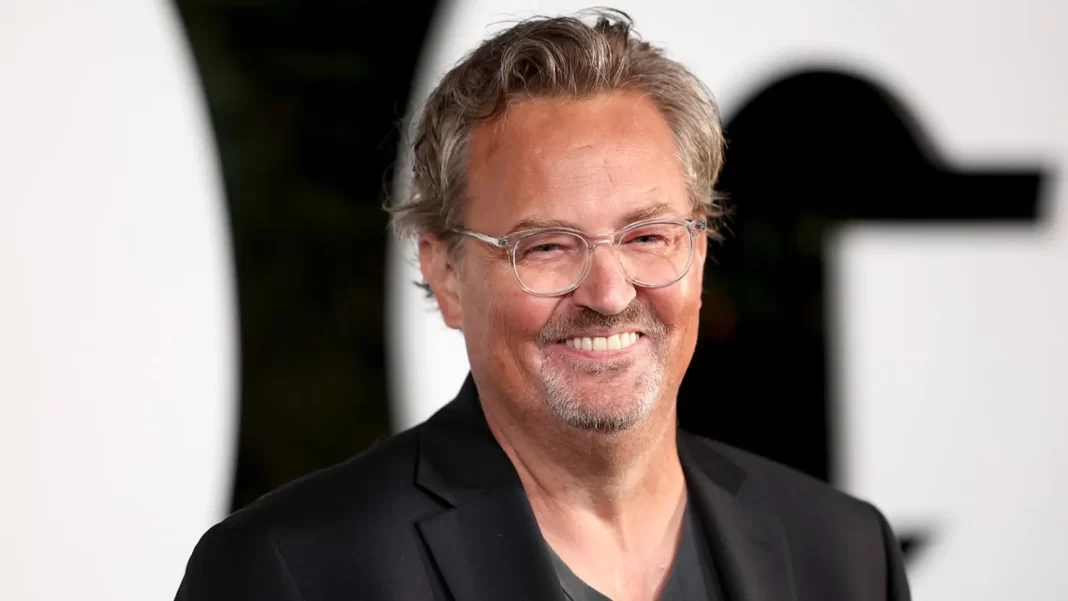

The Guilty Plea That Shook Hollywood
Inside a Los Angeles federal courtroom, Dr. Salvador Plasencia stood before Judge Sherilyn Peace Garnett and pleaded guilty to four felony counts of distributing ketamine. Authorities say the powerful anesthetic played a direct role in the death of actor Matthew Perry, known around the world for his role in the television series Friends. The case has drawn intense scrutiny, made all the more troubling by the fact that Plasencia was fully aware of Perry’s long history with addiction when he prescribed the drug.
The courtroom was silent as Plasencia, age 43, spoke the word “guilty” four times. Each response carried the weight of a tragic narrative that had already gripped the public. Plasencia had been set to go on trial in August, but a signed plea deal changed that course. According to court documents, he admitted to providing ketamine to Perry while knowing he was an at-risk patient. He also left additional doses with Perry’s assistant, despite earlier signs that the drug was causing harmful effects.
Prosecutors confirmed that Plasencia did not provide the final dose that led to Perry’s death. Still, his admissions revealed a pattern of medical negligence. As part of the plea agreement, three additional drug charges and two counts of falsifying medical records were dismissed. The charges that remain carry a potential maximum sentence of forty years. However, a shorter sentence is anticipated when he returns to court on December 3 for sentencing.
A Doctor’s Admission and a Patient’s Pain
Following the hearing, Plasencia’s legal team expressed remorse. Attorney Debra White stated that her client accepted full responsibility for his actions. She also confirmed that he would voluntarily surrender his medical license. In her words, “Dr. Plasencia is profoundly remorseful for the treatment decisions he made while providing ketamine to Matthew Perry.” Her statement acknowledged the deeply harmful impact of those choices on a patient who was already vulnerable in both mind and body.
During the proceedings, prosecutors disclosed that Plasencia had administered a dose of ketamine that caused Perry’s blood pressure to rise dramatically. The injection also triggered a physical reaction that left his body locked up. Despite these alarming effects, the doctor continued to supply the drug. Perry was not mentioned by name in the courtroom. He was referred to only as “victim MP,” a legal placeholder that could not erase the real person behind it. He was not just a celebrity. He was someone’s son, someone’s friend, and someone who needed care, not risk.
Plasencia has remained free on bond since his initial arrest in August. Until sentencing, he will continue under those terms. His medical practice had already been restricted for nearly a year. During that time, he was required to inform patients about the pending legal action. With the plea now entered, his attorneys confirmed that he will relinquish his license to practice medicine altogether.
The Fallout and the Road Ahead
After the hearing, Dr. Plasencia left the courthouse alongside his lawyers. He did not respond to the reporters gathered outside. The atmosphere was thick with quiet, a moment suspended between legal closure and public grief. For fans of Matthew Perry, the details shared inside the courtroom were both distressing and profoundly sad. Perry had long been candid about his battles with addiction and his journey through recovery. This new chapter has added a painful layer to that legacy.
Legal analysts suggest that the guilty plea was a strategic move intended to avoid a full trial. It may also have been designed to reduce the severity of the outcome, both legally and in the public eye. Yet the central question lingers. How does a trained physician knowingly supply a dangerous substance to someone who is actively struggling with substance use? And how many others like Perry may be quietly slipping through the cracks of a system meant to protect them?
The sentencing hearing in December may provide formal resolution. However, the emotional and ethical weight of this case will remain. The story of Matthew Perry’s final chapter has become more than just a headline. It is a cautionary tale about the responsibilities of care, the consequences of negligence, and the urgent need for reform where medicine and addiction intersect.