

A Radical Promise from an Unexpected Name
Chinese appliance manufacturer Dreame, best known internationally for its line of vacuum cleaners, has thrust itself into the global spotlight with an audacious announcement. The company revealed plans to build an all-electric hypercar capable of surpassing 300 miles per hour, a claim that places it in direct competition with revered names such as Bugatti and Koenigsegg. For a brand outside the traditional sphere of automotive engineering, this declaration is nothing short of extraordinary.
The pledge to deliver a car faster than the established masters of speed reflects the growing ambition of Chinese technology firms to redefine their industries. In recent years, companies once focused on consumer electronics have pivoted toward electric vehicles, leveraging expertise in batteries, software, and mass production. Dreame’s announcement exemplifies this movement, positioning itself not merely as an outsider but as a potential disruptor of the hypercar hierarchy.
The target is ambitious by any measure. Achieving a top speed beyond 300 miles per hour is a technical challenge that has eluded even the most accomplished automotive houses, requiring mastery of aerodynamics, powertrain design, and thermal management. For Dreame to set such a goal as its first automotive project underscores both the scale of its confidence and the magnitude of the expectations it has now created.
A Design That Mirrors an Icon
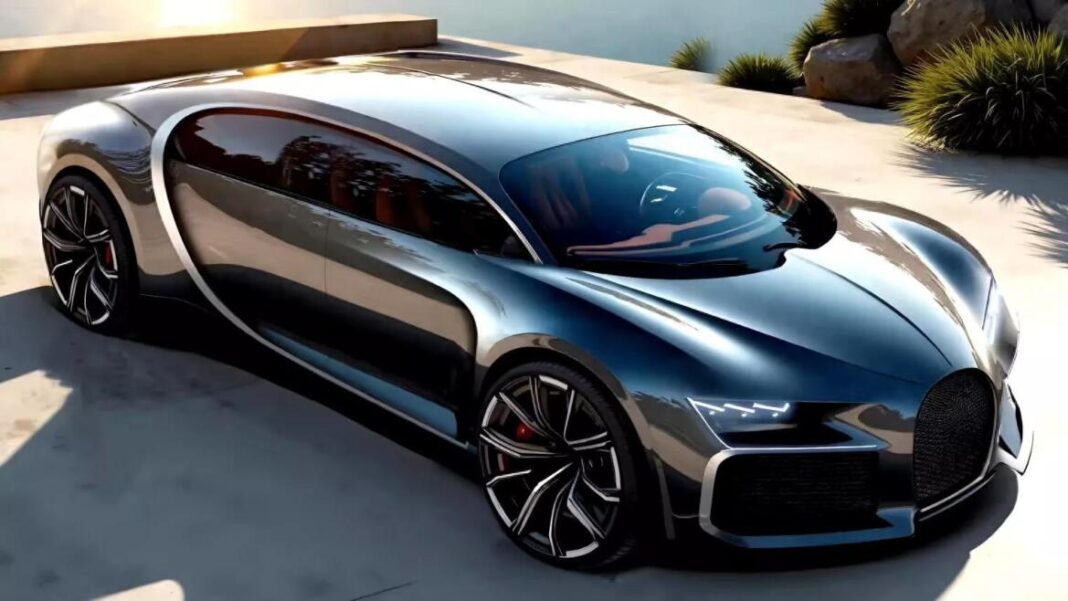
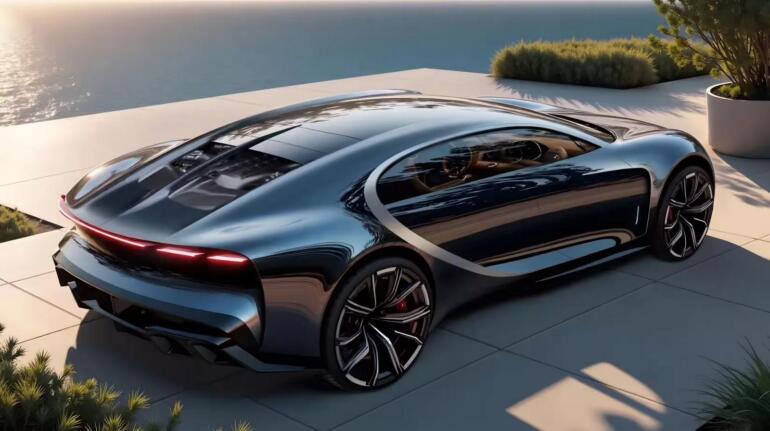
The reveal of Dreame’s first concept, however, shifted the conversation from engineering prowess to questions of design authenticity. The render released to the public bore an unmistakable resemblance to the Bugatti Chiron, one of the most celebrated hypercars of the modern era. Instead of establishing a unique visual language, Dreame’s four-door hypercar appeared to mirror the French marque’s signature cues with uncanny precision.
Observers quickly noted the replication of Bugatti’s horseshoe grille, the sweeping side scoops, the sculpted roofline, and the overall stance. The resemblance was so direct that it became difficult to view the design as coincidental. Rather, the execution suggested that Dreame’s design team had leaned heavily, perhaps excessively, on Bugatti’s blueprint. For enthusiasts and industry insiders, the similarity raised immediate questions about originality and credibility.
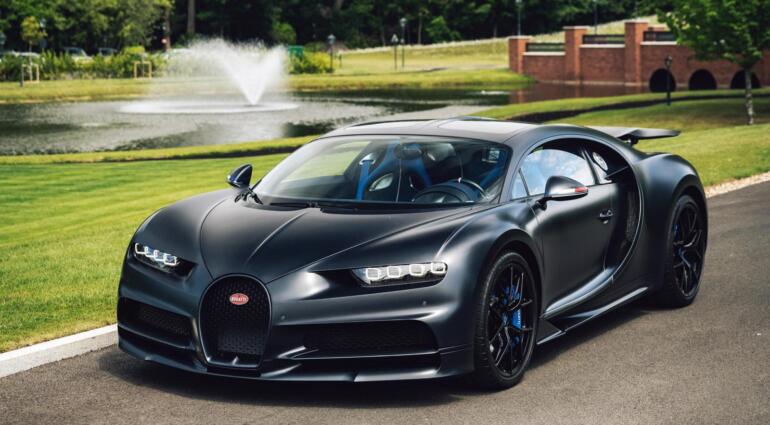
This aesthetic choice not only risks legal entanglement but also undermines the very premise of Dreame’s bold entry into the hypercar space. Brands that compete at the summit of automotive luxury rely as much on design DNA as on performance benchmarks. By presenting a car that appears derivative of Bugatti’s $3 million Chiron, Dreame positioned itself less as an innovator and more as an imitator.
Legal and Industry Ramifications
The matter of intellectual property looms large over this debut. Bugatti, whose identity rests heavily on its distinctive visual elements, has a long history of protecting its patents and trademarks with vigilance. The similarities between Dreame’s concept and the Chiron are stark enough that legal experts anticipate potential disputes, should the Chinese manufacturer attempt to move from render to production without substantial design revisions.
This controversy plays out against a broader backdrop of Chinese technology companies entering the electric vehicle market. Industry giants such as Xiaomi and Huawei have already announced automotive ventures, signaling a national ambition to dominate the next generation of mobility. Yet Dreame’s approach highlights a recurring criticism of the sector: rapid innovation in technology often contrasted with questionable originality in design.
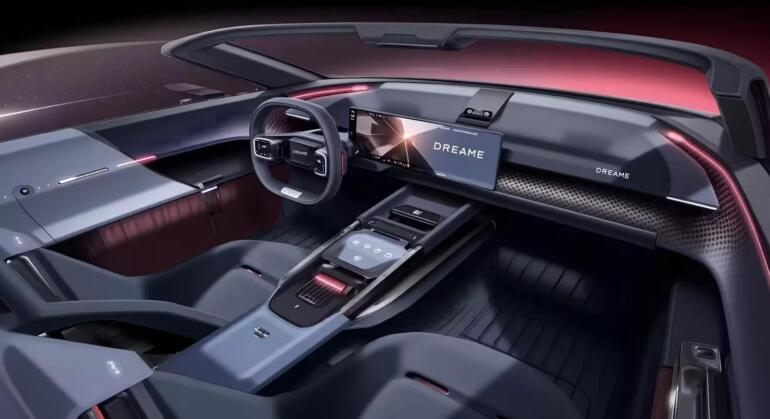
Despite these concerns, Dreame insists that its upcoming presentation at the Consumer Electronics Show (CES) will unveil groundbreaking battery innovations and performance technologies. The company has stated that production readiness could be achieved within three years, a timeline that has captured both intrigue and skepticism in equal measure. While its engineering claims may well prove credible, its design strategy will need a significant evolution if Dreame is to be taken seriously on the global hypercar stage.