
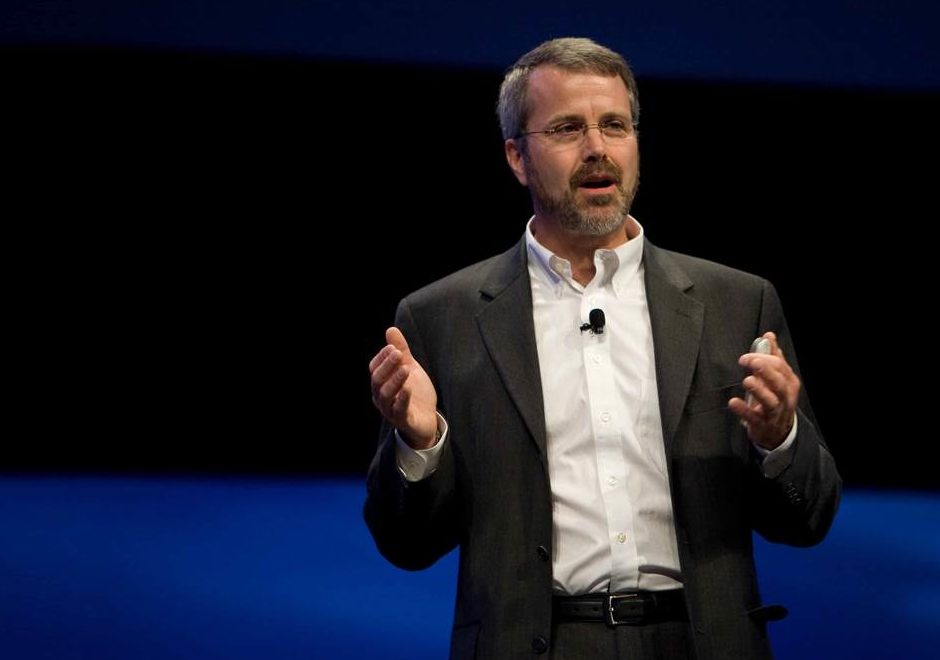

Martin Eberhard Questions Tesla’s Direction and Cybertruck Design
Martin Eberhard, one of Tesla’s original co-founders and its first CEO, has expressed concern about the company’s current trajectory. In a recent interview with EV YouTuber Kim Java, he criticized the cancellation of Tesla’s affordable car initiative and openly mocked the design of the Cybertruck. Eberhard stated that the world needs accessible electric vehicles more urgently than expensive or eccentric models. His remarks follow years of limited contact and well-documented tension between himself and current Tesla CEO Elon Musk.
Eberhard co-founded Tesla in 2003 alongside Marc Tarpenning. Although Elon Musk was not part of the founding team, he joined shortly after and became the company’s largest investor. Musk assumed the role of CEO in 2008 following a series of leadership changes. A legal settlement reached in 2009 allowed Musk to share the “co-founder” title with Eberhard and several others. Despite the agreement, disagreements between Eberhard and Musk have remained a point of public interest.
During the interview, Eberhard expressed his frustration by saying he was disappointed that Tesla had canceled its entry-level vehicle program. He explained that such a car is what the world truly needs, not a truck with an appearance that reminded him of a dumpster. His comment was a direct critique of the company’s shift in focus toward the Cybertruck, a product that has drawn both enthusiasm and criticism for its unconventional design.
Tesla’s Affordable EV Plans Have Been Inconsistent
At one point, Tesla had announced intentions to create a twenty-five thousand dollar electric vehicle, commonly referred to as the Model 2. This car was expected to open the EV market to more budget-conscious consumers. In 2021, reporting from Reuters indicated that Tesla was developing the car on a new platform intended to lower production costs and test new manufacturing innovations.
However, in 2023, Reuters published another report citing internal sources. According to those sources, Elon Musk had terminated the affordable vehicle project to focus instead on autonomous robotaxis. Musk denied this publicly and accused the publication of spreading misinformation. Confusion grew as Reuters later reported that Musk had once again informed senior managers of the project’s cancellation, despite his earlier denial.
More recently, Tesla has signaled that an affordable electric model may still be in the works. During its most recent earnings call, the company stated that it plans to begin early production of a lower-cost EV by June, with full-scale manufacturing expected in the second half of 2025. The statement appeared in a shareholder presentation, though Tesla did not disclose exact pricing or vehicle specifications. Industry analysts have noted that Tesla’s messaging on this topic continues to lack clarity.
Eberhard Reflects on Tesla’s Legacy and Musk’s Role
While Eberhard did not hold back in criticizing Tesla’s recent decisions, he also acknowledged the company’s global impact and Musk’s role in scaling it. He expressed satisfaction that the company he helped create is still thriving. During the interview, he remarked that it was good to see his creation survive and succeed in the market. He also offered praise for SpaceX, describing it as a well-run and effective organization. Eberhard credited much of SpaceX’s operational success to its president, Gwynne Shotwell, whom he described as an outstanding leader.
Even so, Eberhard voiced concern that Musk tends to downplay the contributions of the people behind his ventures. He noted that although Musk is a powerful figure in building a brand, individuals like Shotwell have played equally important roles in delivering actual results. This sentiment reflects a broader critique often directed at Musk’s management style and the attention he commands in the media.
Eberhard’s remarks add another voice to the ongoing conversation about Tesla’s future and the leadership guiding it. His renewed call for affordable electric vehicles echoes the views of many environmental advocates and industry experts. These voices stress that the wide adoption of electric transportation will only become possible if such vehicles are made accessible to more people across all income levels.
Cybertruck Continues to Divide Public Opinion
The Cybertruck, which Eberhard described in unflattering terms, remains one of Tesla’s most polarizing offerings. Since its initial reveal, the vehicle has drawn a wide range of reactions. Some have been impressed by its innovation, while others have mocked its angular design and brushed steel exterior. Online, critics have described it in extreme terms, calling it everything from the worst vehicle ever designed to an eyesore. Some owners have even formed a Facebook group to share stories about the public attention and criticism the truck attracts.
Tesla, on the other hand, has continued to present the Cybertruck as a bold step forward in vehicle design. The company claims it redefines what a pickup truck can be by using cutting-edge materials, updated software systems, and powerful performance specs. Despite these claims, the high cost and repeated production delays have caused some industry watchers to question whether the Cybertruck fits the needs of a broader market.
As Tesla continues to expand its product offerings, Eberhard’s commentary serves as a reminder of the company’s original mission. In an increasingly competitive global EV market, particularly in regions such as China and Europe, affordability may become a deciding factor in Tesla’s ability to maintain leadership. Eberhard’s push for a return to accessible electric cars underscores the growing debate about what Tesla should represent in the years ahead.