
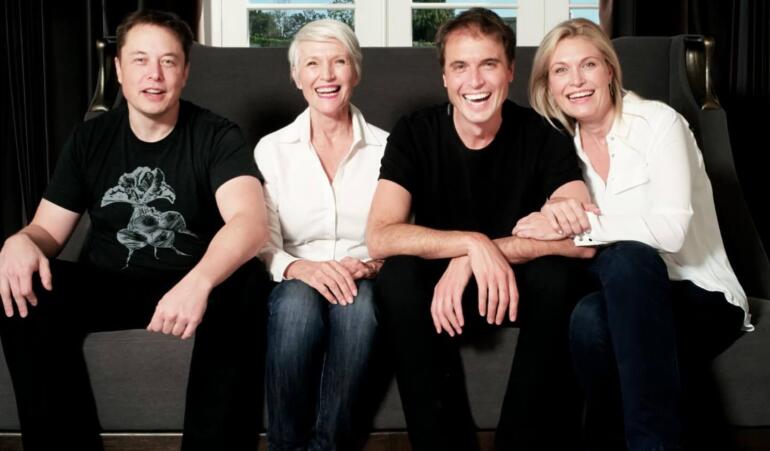

When survival meant sandwiches, bean stew, and a tiny apartment far removed from yachts and private planes
The scene is almost impossible to reconcile with today’s headlines, yet it is crucial to understanding the mythology surrounding Elon Musk. According to multiple interviews and reports, Maye Musk found herself counting coins, measuring groceries, and rationing meals inside a modest apartment that barely accommodated three children. There were no sweeping views, no double-height ceilings, no marble kitchens, only functionality and fear of the next bill. Worth around a few hundred dollars a month in rent, that apartment was worlds away from the eight-figure real estate Elon would later casually acquire. How often do we imagine the world’s richest man growing up worrying about spilled milk?
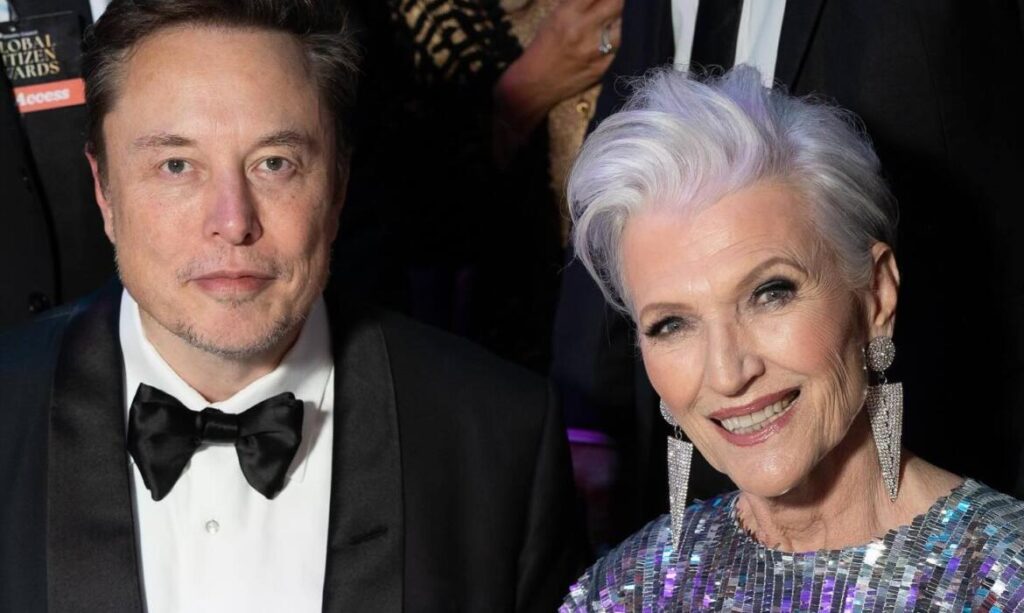
Maye Musk has spoken candidly about the emotional toll of those years, revealing that survival, not comfort, dictated every decision. Reportedly, meat, fish, and chicken were luxuries she simply could not afford, replaced instead by bean stew served night after night. While the ultra-wealthy debate Wagyu grades and Michelin-starred tasting menus, the Musk household revolved around basic nutrition and sheer perseverance. The contrast feels almost cinematic, especially when placed against the backdrop of South Africa’s affluent circles at the time. It begs the question, how many billionaires can trace their success to such stark austerity?
Adding to the drama is the uncomfortable juxtaposition that defines this chapter of the Musk story. While Maye and her children lived humbly, her ex-husband, Errol Musk, reportedly owned two houses, a yacht, a plane, and several luxury cars. These were not modest assets, but symbols of real wealth, mobility, and access. Yet none of that opulence translated into security for Maye or her children. In a world obsessed with inherited privilege, this detail quietly dismantles the narrative that Elon Musk’s empire was funded by family fortune.
A mother’s persistence, not emerald mines or yachts, quietly fueled the future billionaire
Fast forward to the early years of Elon Musk’s adulthood, and the struggle had not magically evaporated. According to Maye Musk, Elon owned just one suit, a detail that feels almost absurd when compared to the custom-tailored wardrobes and discreet luxury he could now afford indefinitely. Clothing, much like food before it, was a calculated expense rather than an indulgence. Even then, ambition simmered beneath the surface, fueled by necessity rather than entitlement. Could deprivation have sharpened the edge that later defined Musk’s risk-taking?
The work Elon took on during those formative years was as brutal as it was humbling. Reportedly earning around $18 an hour, he labored in a Canadian boiler room, crawling through narrow tunnels and shoveling soot under punishing conditions. This was not the glamorous grind of Silicon Valley lore, but hazardous, physically exhausting labor that left him coated in grime. Such scenes stand in sharp contrast to the climate-controlled command centers and advanced aerospace facilities he now oversees. It is a reminder that resilience, not comfort, was his earliest teacher.
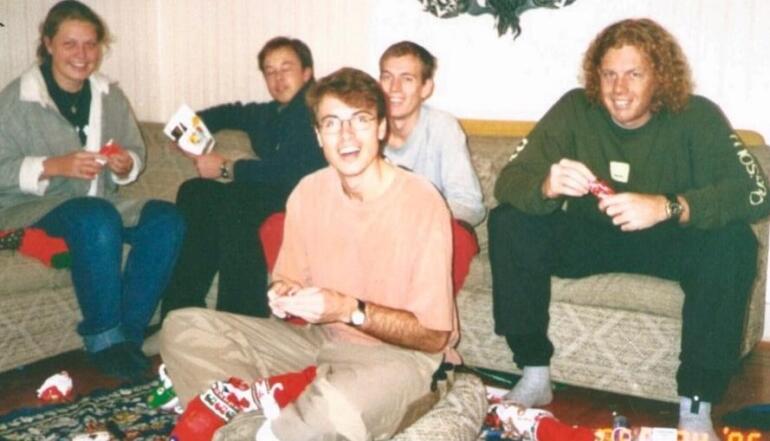
Meanwhile, Maye Musk was fighting her own battles, building a career in nutrition while raising three children alone. She is said to have worried constantly about stability, yet continued pushing forward, eventually becoming a respected nutrition professional in Canada. Worth far more than any short-term financial relief was the example she set, discipline, self-reliance, and belief in the long game. Elon has publicly called her his biggest supporter “from day one,” a phrase that takes on new gravity when you understand what support actually looked like back then. Support, in this case, meant survival.
From bean soup to a $600 billion fortune that rivals nations and dwarfs other billionaires
Today, the numbers attached to Elon Musk feel almost abstract in their scale. According to Bloomberg, he has reportedly become the first individual on Earth to touch a net worth of $600 billion, a figure that rivals the GDP of entire countries. Sweden sits at roughly $600 billion, Israel at about $525 billion, and the UAE at around $500 billion, placing Musk in unprecedented territory. His wealth now eclipses that of Jeff Bezos, Warren Buffett, and Mark Zuckerberg combined, a statistic that reads like financial science fiction. How does one even contextualize such dominance?

The luxury assets surrounding Musk today are equally staggering, even if he famously downplays personal extravagance. The companies he commands operate fleets of reusable rockets worth hundreds of millions per launch, cutting-edge electric vehicles priced from $40,000 to well over $120,000, and advanced AI infrastructure measured in square footage larger than shopping malls. His name is now associated with global influence rather than grocery anxiety. The contrast between past and present is not just dramatic, it is historically rare.
And yet, the most compelling element of Musk’s story may not be the rockets, factories, or astronomical valuations. It is the quiet persistence of a mother who once cried over spilled milk because she could not afford more. The family name that once meant bean stew and rationed meals now symbolizes innovation, ambition, and unimaginable wealth. In an era obsessed with privilege, Elon Musk’s ascent stands as a reminder that resilience can sometimes outweigh inheritance. From sandwiches to superpower-level wealth, the journey is as astonishing as it is instructive.