

Attorneys Argue Low Flight Risk and Prior Jail Time Should Justify Release
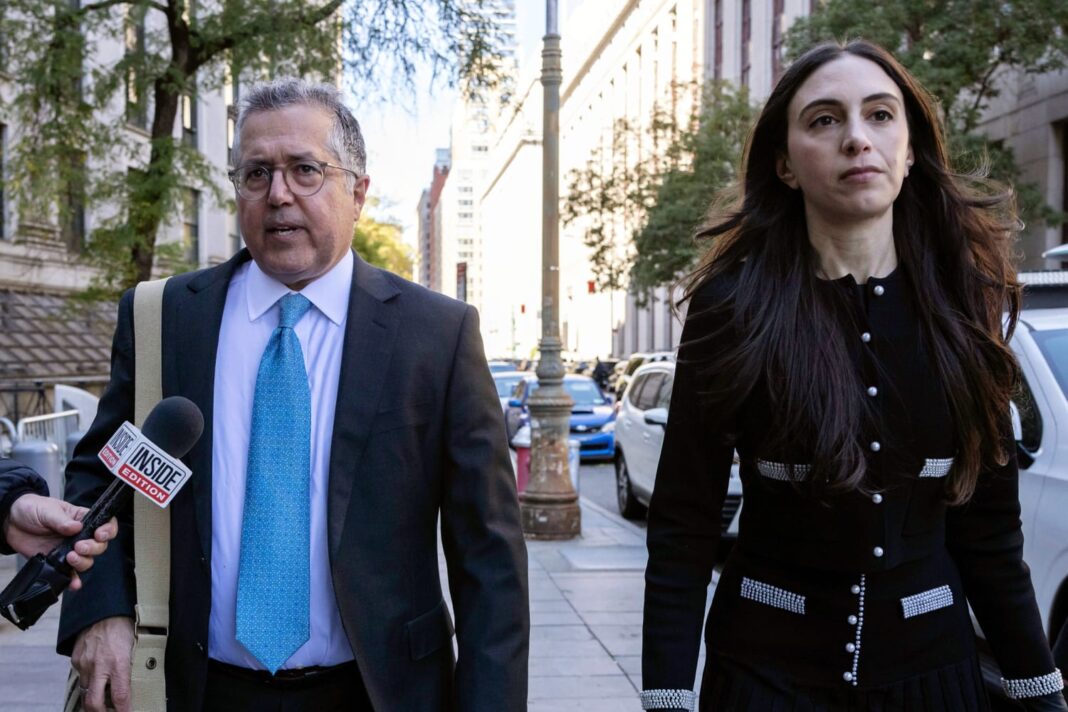
Sean “Diddy” Combs’ legal team is urging a federal judge to grant his release from custody as he awaits sentencing for his recent conviction. In a formal letter submitted to the court, Combs’ defense proposes a $1 million bond backed by his closest family members and a list of strict conditions designed to ensure compliance with court supervision.
According to the defense, the bond would be co-signed by Combs himself, his mother, his sister, and the mother of his eldest daughter. The proposal also outlines travel restrictions limiting Combs to Florida, California, New York, and New Jersey, areas where he has homes and legal representation. In addition, Combs would surrender his passport, submit to regular drug testing, and comply with all other standard conditions of pretrial supervision. The request emphasizes that Combs is neither a flight risk nor a danger to the community.
The letter highlights the fact that the most serious charges Combs faced were not part of the final conviction. Instead, he was found guilty on two counts of transporting individuals across state lines for prostitution, both of which are federal offenses. His defense argues that the nature of those charges, while serious, results in a sentencing guideline range of 21 to 27 months — a term significantly lower than the potential life sentence he would have faced had he been convicted on racketeering or sex trafficking counts. Given that Combs has already spent 10 months in custody, his attorneys argue that continued incarceration is unnecessary.
Defense Points to Time Served and Sentencing Guidelines
Combs’ team is leaning heavily on sentencing data to support their argument. They point out that under the federal sentencing guidelines — which are advisory, not mandatory — the two transportation convictions do not carry the weight of the more explosive allegations made earlier in the trial. Though the charges involve two separate victims, the guidelines suggest a punishment closer to two years rather than decades behind bars.
The defense letter insists that this legal reality should matter in the court’s decision about bond. “Mr. Combs has already been incarcerated for 10 months,” the letter states. “His sentencing exposure — which we fully respect and do not seek to minimize in any way — is in fact low, and so is any corresponding risk of flight.” By presenting a plan that includes multiple co-signers and strict compliance terms, the defense hopes to sway the judge toward allowing release ahead of sentencing.
What Happens Next: Judge Will Weigh Risk, Public Safety, and Precedent
The next step lies with the court. The judge must now evaluate whether the proposed conditions are strong enough to ensure that Combs will appear for sentencing and not pose a threat to the public. Judges often weigh factors like past behavior, the nature of the offense, public interest, and whether the convicted individual has respected prior court orders.
Prosecutors have not yet responded publicly to the bond request, but they will likely push back by pointing to the disturbing nature of the trial’s evidence, including explicit videos and detailed testimony from two victims. The final ruling could come within days, setting the tone for what’s expected to be a high-profile sentencing hearing in the weeks ahead.