
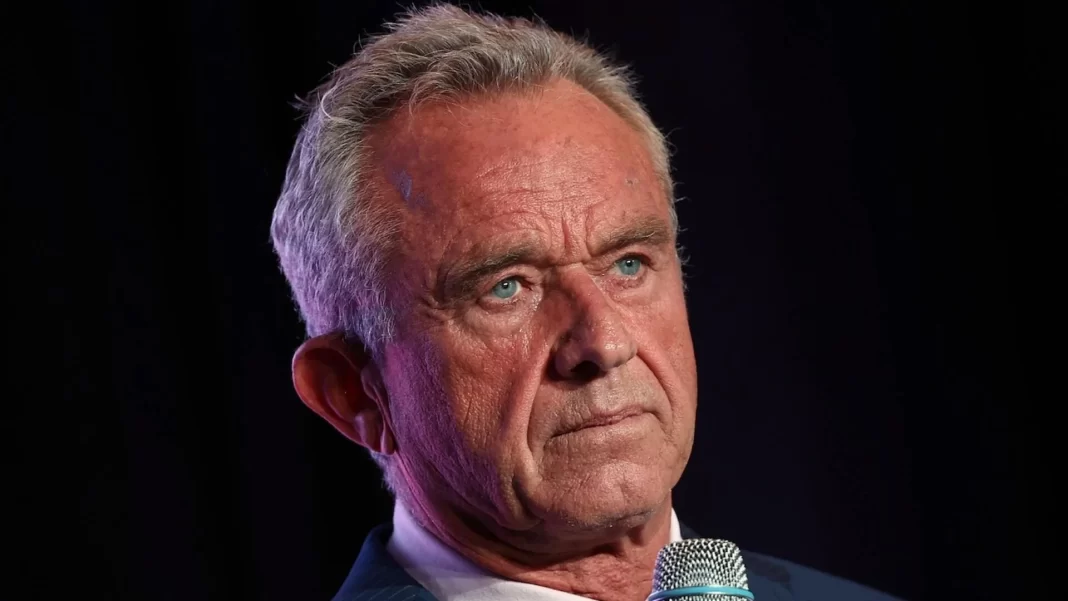

Robert F. Kennedy Jr., current Secretary of Health and Human Services under the Trump administration, has stated that artificial intelligence will play a key role in modernizing the Food and Drug Administration’s (FDA) drug approval process. The remarks were made during an appearance on the latest episode of Tucker Carlson’s podcast, where Kennedy outlined his vision for integrating advanced technology across federal health agencies.
Kennedy Outlines AI-Driven Changes to Vaccine Monitoring
During the interview, Kennedy criticized the existing Vaccine Adverse Event Reporting System (VAERS), a program managed by the CDC and FDA that allows healthcare providers to report potential side effects related to vaccines. He described VAERS as “designed to fail” and claimed it does not capture the full extent of vaccine-related injuries, a position not supported by current medical consensus. Kennedy proposed developing an updated or supplementary system that leverages artificial intelligence for more accurate monitoring.
“We’re going to absolutely change VAERS,” Kennedy said, adding that AI would form a central part of that overhaul. He did not elaborate on what specific AI tools or systems would be implemented but emphasized the need for modernization. Kennedy also suggested that machine learning could help identify adverse events more efficiently, although experts have warned that such systems must be carefully validated to avoid producing misleading or biased results.
Critics of Kennedy’s stance argue that VAERS is a passive surveillance system that requires cautious interpretation, as submissions are unverified and do not establish causality. Changes to how the system operates would likely require coordination across multiple agencies and public health bodies. Kennedy’s plan to use AI as a primary solution raises questions about scientific oversight and regulatory transparency.
AI Proposed as a Replacement for Traditional Drug Testing
Kennedy also claimed that the FDA is moving toward using artificial intelligence to streamline drug approvals, potentially eliminating the need for testing on animals or primates. “At FDA, we’re accelerating drug approvals so that you don’t need to use primates or even animal models,” he said. “You can do the drug approvals very, very quickly with AI.”
Although Kennedy has previously mentioned his interest in using AI to improve efficiency at the FDA, there has been no formal policy released by the agency outlining such a transition. The current regulatory framework relies heavily on preclinical testing, including animal models, before human trials can begin. AI may play a role in pre-screening or modeling drug interactions, but it is not considered a substitute for clinical trials by most regulatory experts.
The FDA has explored the use of AI in areas such as adverse event detection, manufacturing oversight, and post-market surveillance. However, the idea of using AI to fully replace traditional approval processes would represent a significant departure from established scientific protocols. As of now, there are no approved drug approval pathways in the U.S. that rely solely on artificial intelligence.
Unclear Details and Ongoing Controversy
Kennedy said his department is attracting talent from Silicon Valley, including individuals who have left “billion dollar businesses” to join what he calls an “AI revolution” in public health. He claimed these professionals are not motivated by status but by a desire to improve the healthcare system. However, he did not provide names or affiliations for any of the individuals reportedly involved.
The broader implications of Kennedy’s comments remain uncertain. He did not clarify whether his proposed use of AI in drug approvals would require legislative changes or how these changes would align with existing laws governing the FDA. Regulatory experts have raised concerns about relying on generative AI models, which are known to produce inaccurate or inconsistent outputs under certain conditions.
Neither the Department of Health and Human Services nor the FDA has issued a public statement confirming the development of AI-based drug approval systems. Without additional details, it is unclear how Kennedy’s vision would be implemented in practice or what safeguards would be in place to ensure public safety. The remarks come amid ongoing debates about the role of artificial intelligence in healthcare and the need for clear governance in its application.