
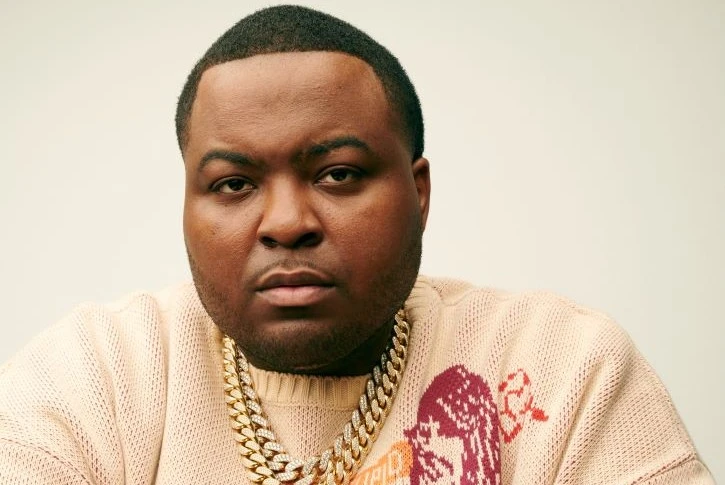

Sean Kingston is making one final plea before sentencing. The singer wants no more than 2 and a half years. And he wants to serve it at home. The request comes just days before he stands in front of a federal judge. Official guidelines suggest a far harsher penalty. But Kingston and his attorney are pushing for leniency. They say his past good deeds should count.
The Sentence He Wants
Court filings reveal the push for a shorter term. Kingston is asking for between 2 and 2.5 years. That is far less than the recommended 5 to 6 years under federal guidelines. His legal team argues he has never served prison time before. They highlight his positive role in the community. They point to years of outreach and hands-on charity work. The hope is to convince the judge that this history matters.
The documents describe Kingston’s volunteer efforts in detail. He organized toy drives for children. He helped feed the unhoused. He collected clothing for those in need. Photographs show him personally handing out meals. His lawyer stresses that Kingston’s involvement went beyond donations. He worked directly at events and served dinners to countless people. This, they say, is the kind of character that deserves consideration.
The request also leans on his ongoing efforts while awaiting trial. Since April, Kingston has been on house arrest. He has been using his home studio to work on music. His attorney says this work is essential for repaying victims. Some of those victims have already received money back. Kingston believes staying home will speed that process. The court will decide if that argument holds.
The Case for Home Confinement
Kingston’s team is not just asking for a lighter sentence. They want the judge to let him serve it at home. They argue this setup benefits the victims more than prison time. They say it allows Kingston to keep working and earning money. That income would go toward restitution payments. His current home studio setup supports that claim. They believe it is the most productive outcome for everyone involved.
The filings stress that his time under house arrest has been productive. Music projects have moved forward. Some of the profits have already been directed to victims. His attorney frames it as a win-win. Kingston keeps creating income while fulfilling his obligations. The idea is that prison would only slow repayment efforts. The judge must decide whether that is persuasive enough.
Character letters are also part of the appeal. Kingston’s sister, Kanema Morris, wrote in his support. So did a local grocery store clerk and a delivery driver. The only voice from the music world is songwriter Constantin Chavez. He has worked with Kingston before and vouches for his integrity. These letters aim to show Kingston’s positive impact on those around him. The hope is they will tip the scales.
The Conviction and What’s at Stake
The sentencing stems from a major federal case. Kingston and his mother, Janice Turner, were convicted of wire fraud in March. Turner has already received her punishment. She is serving a 5-year sentence in federal prison. Kingston’s turn comes this Friday, August 15. His legal team is hoping for a drastically different outcome. They are fighting for time served in his own home.
The conviction was a major fall from grace. Once known for chart-topping hits, Kingston now faces years in custody. The court has already determined guilt. Now it is a matter of how severe the penalty will be. His lawyers believe the judge should weigh his past good deeds heavily. They argue that prison is not the only way to deliver justice.
The stakes could not be higher for Kingston. The difference between prison and home confinement would change his life. It would also impact how quickly victims are repaid. The hearing will determine which path he takes. On August 15, the final word will come down. Until then, Kingston can only hope his plea lands with the court.