

The $195,000 Quote That Sparked a Question
When a Ferrari LaFerrari hybrid battery fails, the official solution from Maranello comes with a jaw-dropping reality check: replace the entire pack at a quoted cost of $195,000. For perspective, a Toyota Prius battery swap runs around $3,000, while Tesla owners typically pay between $10,000 and $16,000. The contrast is stark and highlights the complexity and exclusivity of maintaining one of Ferrari’s most ambitious hypercars.
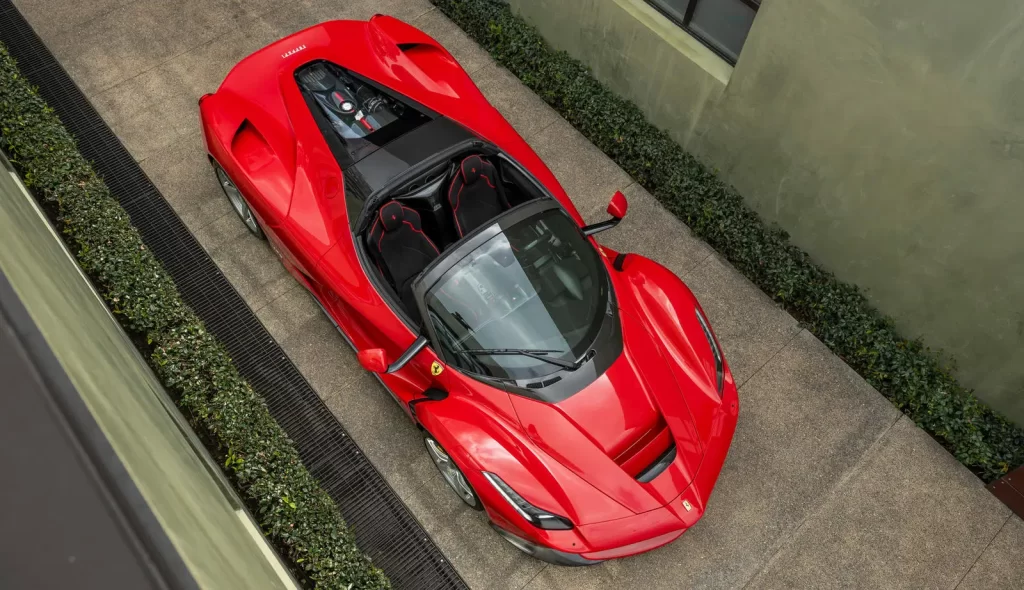
The case in question involved a 2014 LaFerrari whose hybrid battery gave out after just 890 miles on the odometer. Rather than signing off on Ferrari’s astronomical service order, the owner sought an alternative. He reached out to EV Clinic, a Croatian specialist team known for expertise in high-voltage systems, where engineers diagnosed the fault not as a total system collapse but as the failure of individual cells.
By repairing only the damaged components, EV Clinic brought the battery back to life at a fraction of Ferrari’s replacement cost. This approach represents more than just a financial victory. It signals the possibility of a new maintenance pathway for aging hybrid hypercars, where selective repair replaces wholesale replacement and where specialized knowledge challenges the boundaries of factory exclusivity.
The Complex Reality of Hybrid Hypercar Maintenance
Owning a LaFerrari or any hybrid hypercar is not like maintaining even the most advanced internal combustion supercars of the past. The technology inside requires specialized diagnostic tools, trained technicians with high-voltage certification, and access to proprietary parts. Costs escalate accordingly, not only because of complexity but also because manufacturers design these systems with limited third-party alternatives. Ferrari itself offers extended warranty programs for the HY-KERS hybrid system, a move that underscores how costly failures can be.
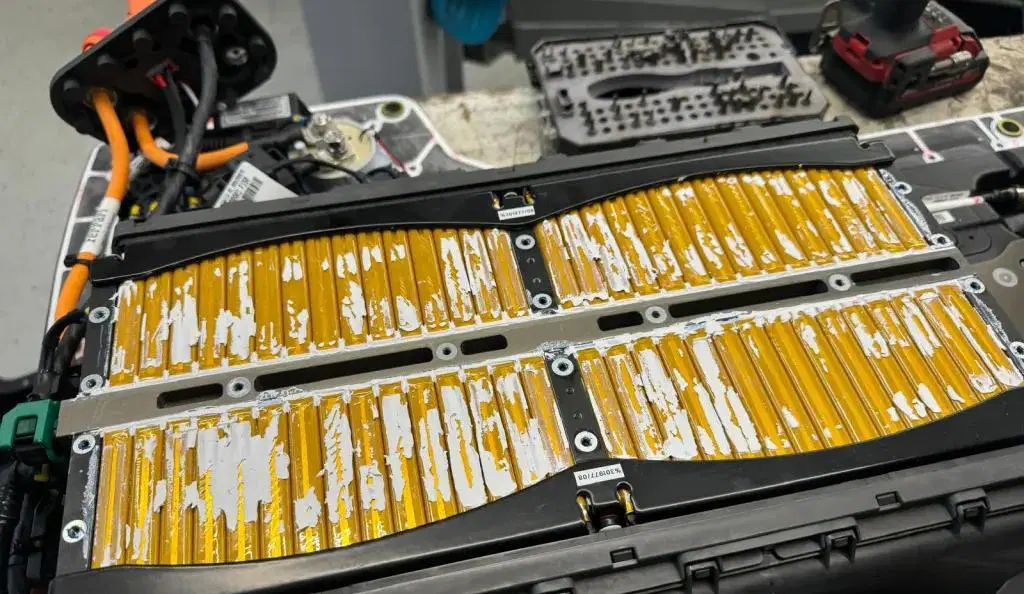
Adding to this burden is the LaFerrari’s dual-battery architecture. Unlike conventional hybrids, it requires climate-controlled storage, precise charging routines, and careful monitoring to preserve long-term health. Deviations from those protocols can accelerate degradation, making the battery not just a power source but a fragile investment in itself.
Beyond the technical demands lies the simple reality of brand economics. Replacement parts from a marque like Ferrari carry premiums that extend far beyond raw manufacturing costs. The badge itself, combined with exclusivity, transforms even necessary maintenance into a luxury proposition. For some owners that may be an accepted part of Ferrari’s allure. For others, as this story shows, the rise of independent expertise is creating viable alternatives.
The LaFerrari Legacy and Its Future Challenges
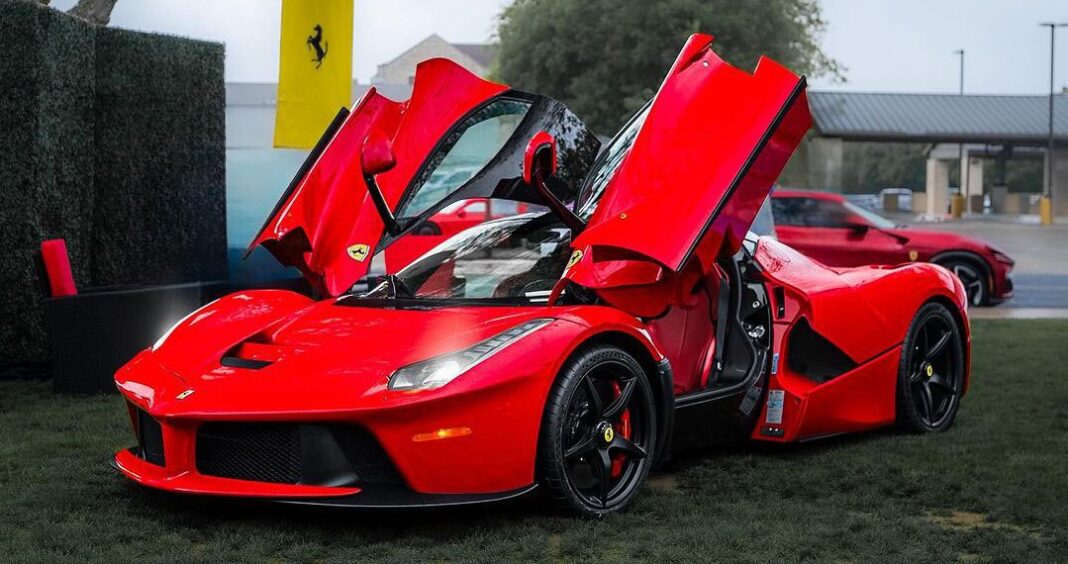
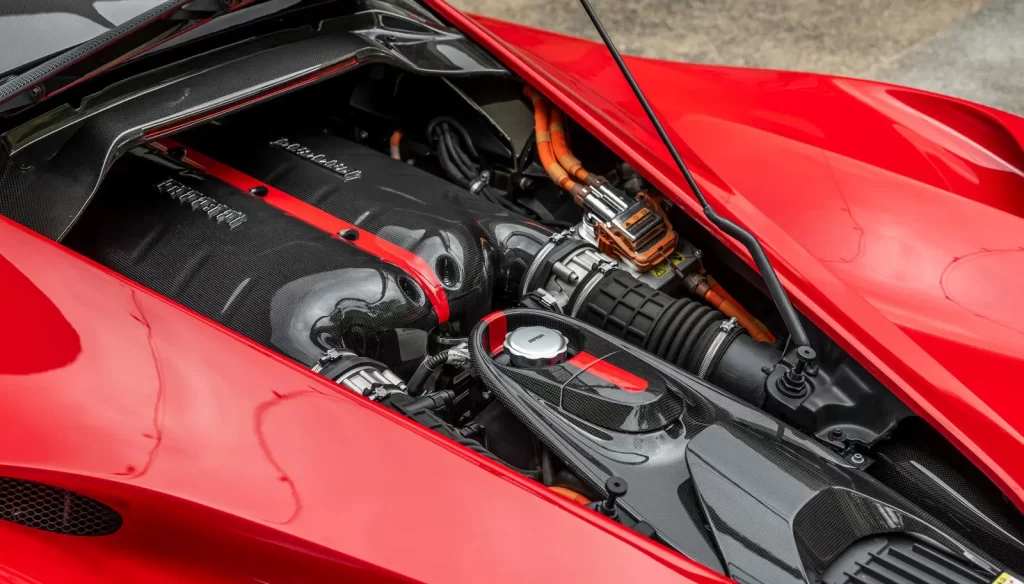
The LaFerrari was never intended to be ordinary. When it debuted in 2013, it represented Ferrari’s first production hybrid hypercar, combining a naturally aspirated 6.3-liter V12 with the HY-KERS electric system for a total of 963 horsepower. The car could launch from 0 to 62 mph in under three seconds and exceed 217 mph. While the electric-only range was limited to about three miles, the system’s true purpose was to deliver instant torque. With the electric motor contributing 163 horsepower, the result was relentless acceleration and seamless power delivery.
At launch, the LaFerrari carried a price tag of $1.4 million. Today, values have more than doubled, with examples commanding around $3.6 million on the secondary market. Limited to just 499 coupes, it remains a crown jewel for collectors, not only for its performance but also for its role in ushering Ferrari into a new technological era. That exclusivity, however, magnifies the stakes of maintenance, where each failure represents not just an inconvenience but a potential six-figure bill.
The recent repair by EV Clinic offers a glimpse of what lies ahead as hybrid hypercars age. With more examples leaving warranty coverage, owners will increasingly turn to independent specialists willing to tackle the challenges of high-voltage systems. If successful, such repairs could shift the landscape of hypercar ownership, balancing brand prestige with technical pragmatism. In doing so, they may also redefine what it means to preserve a machine designed not just for speed, but for history.