Olivia Colman and Alexander Skarsgård on ‘Wicker,’ marriage and the wicker husband
The two stars discuss playing a medieval fisherwoman and her basket-woven husband at the film's European premiere, and what their unlikely romance says about gender and equality.

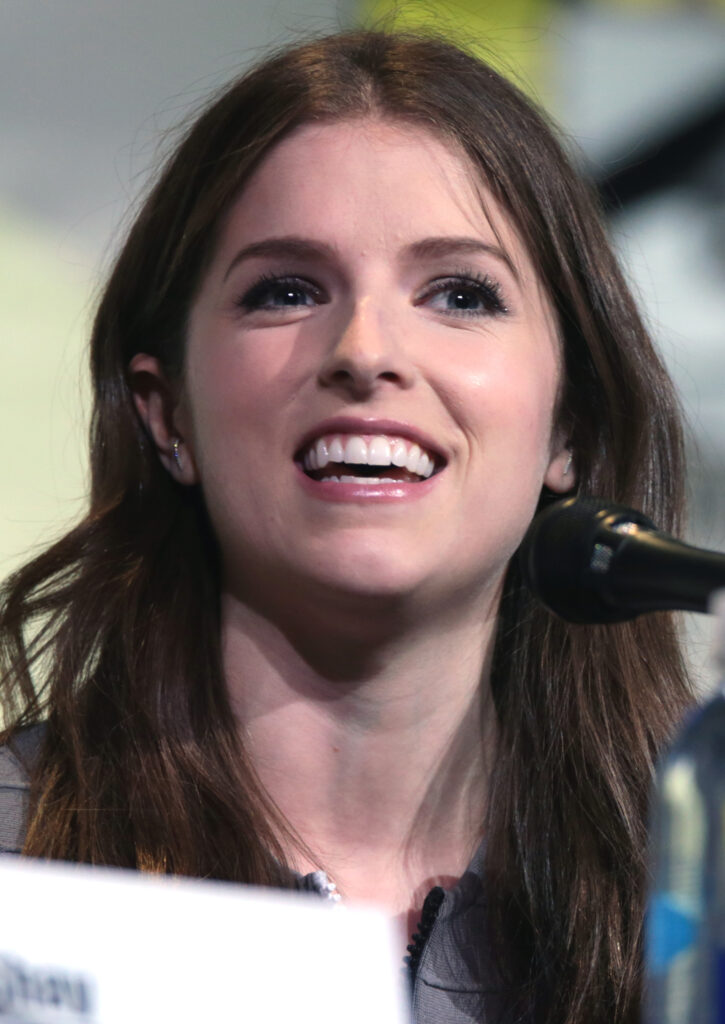
At Zurich Film Festival, Olivia Colman and Alexander Skarsgård discussed their roles in “Wicker,” an adaptation of “The Wicker Husband” by Ursula Wills-Jones directed by Alex Huston Fischer and Eleanor Wilson. The film centers on a medieval fisherwoman who marries a wicker husband created by a basket weaver.
Colman called the script exceptional. “I’ve never read anything like it before. It’s in my top three scripts that I’ve loved and I’ve done,” she said at the fest, where the film celebrated its European premiere. “It’s beautiful, funny and original.”
Finding the character in the costume
Skarsgård’s role required him to inhabit a woven body constructed by Wētā Workshop, the effects company known for the “Lord of the Rings” films.
“It was extraordinary,” he recalled of first seeing the costume at the workshop in Budapest. “Stepping into it was also a way of finding the character because it defined his physicality and who he was.” He had to exaggerate his facial movements to ensure the mask, which was glued to his face, would register on camera. “At first, that felt a little strange, like you really had to overact,” he said.
For Colman, working alongside an unconventional costar presented its own experience. “I’ve never done it before, but we’re in that magical world where we’re just talking to each other. We got on very well, and giggled a lot,” she said. “It was lovely to play those two people. Well, one person and a basket.”
Marriage, gender and two souls being kind
Beneath the film’s absurdist comedy—which echoes “Monty Python and the Holy Grail”—lies commentary on marriage, patriarchy and gender roles. In the medieval village setting, none of the women have their own names except the fisherwoman, who is ostracized for being unmarriageable before she meets her wicker husband.
“She shows them,” Colman noted of her character. “I like the fact that they are the only equals here. They support each other, listen to each other, take care of each other. It was really about these two humans—or, again, a basket—and two souls being kind to each other.”
Skarsgård underscored the film’s approach to these themes. “It commented on the patriarchy of our time and on the construct of marriage, but it was done with so much humor. And in a way that didn’t feel preachy or too on the nose,” he said. “It was so tender, sweet, funny and irreverent, and with a subtlety to it.”
A departure for Skarsgård
For Skarsgård, known for darker roles, the character represented unfamiliar territory. “To be honest, I found it terrifying,” he said. “I feel way more comfortable playing dark, twisted, demented characters.” The tender, caring nature of his wicker-husband role stood apart from his usual choices.
This article was compiled by the Glamorade editorial desk from the official announcements and reporting listed under Sources.