Sofia Coppola’s ‘Marie Antoinette’ returns in 4K as Pathé marks 20 years
The French studio has restored the 2006 film to 4K for a November 25 release, timed to a special exhibition at the Château de Versailles and a new documentary by Sofia's mother, Eleanor Coppola.
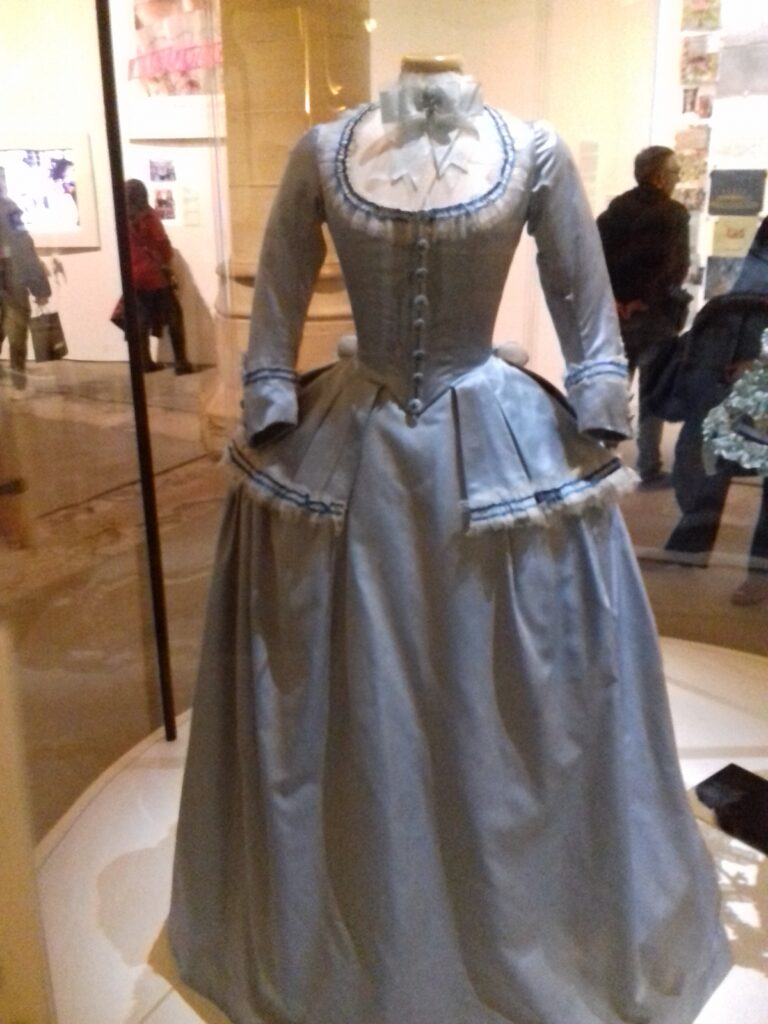
Pathé has completed a 4K restoration of Sofia Coppola’s 2006 film “Marie Antoinette,” arriving November 25 as the studio celebrates the movie’s 20th anniversary. The restoration, supervised by Sony Pictures Entertainment in collaboration with American Zoetrope, comes alongside a new feature-length documentary and a special exhibition dedicated to the film at the Château de Versailles.
The documentary, titled “Making Marie Antoinette,” opens in theaters October 23 and offers an intimate behind-the-scenes account of the production. Filmed by Sofia’s mother, Eleanor Coppola, it draws on nearly 80 hours of footage she captured during the shoot. Eleanor died in 2024 before completing the project; Sofia finished it and enlisted Diane Lane to voice passages from Eleanor’s journals.
The original production
The production spent 20 of its 57-day shoot inside the Château de Versailles, the first time the French government had granted filming access to the palace. The film stars Kirsten Dunst as the titular queen and Jason Schwartzman as Louis XVI.
Eleanor’s documentary captures the scale of the production: hundreds of extras in costumes designed by Milena Canonero and six assistants, intricate feasts, and elaborate flower arrangements. It also documents Coppola’s directorial approach. In one scene, Eleanor records a disagreement between Coppola and director of photography Lance Acord over perspective—Acord wanted to show the king’s reaction to Marie’s jealousy, but Coppola insisted the film belonged to the queen alone. The documentary shows her maintaining this vision despite the logistical pressures surrounding her.
Reassessing the film
At its 2006 Cannes premiere, “Marie Antoinette” drew boos from audiences and criticism for its seemingly frivolous approach to the royal court on the eve of the French Revolution. In the two decades since, the film’s reputation has shifted considerably. It is now increasingly recognized as a masterpiece, with its stylized world endlessly circulated on social media.
Coppola’s approach prioritized the emotional experience of a young girl thrust into the spotlight over the political upheaval gathering outside palace walls. Rather than centering the looming disaster, the film takes a sympathetic view of Marie Antoinette inspired by Antonia Fraser’s biography, focusing on her perspective as the subject of the nation’s praise and judgment.
Eleanor’s lens
Eleanor’s documentary serves as a time capsule of the production and, more broadly, a meditation on creative ambition across generations. In her journals, Eleanor reflected on differences between her own path and her daughter’s choices. By the time Eleanor reached Sofia’s age, she had already given birth to three children and often prioritized family care over her own creative work. Witnessing her children’s creative pursuits on the set of “Marie Antoinette”—including her son Roman’s work as second unit director—ultimately inspired Eleanor to pursue that project herself.
The new restoration arrives as Pathé celebrates its 130th anniversary and the 20th anniversary of the Jérôme Seydoux-Pathé Fondation.
This article was compiled by the Glamorade editorial desk from the official announcements and reporting listed under Sources.